
Review · USA
Weeki Wachee Clear Paddle Board Ecotours
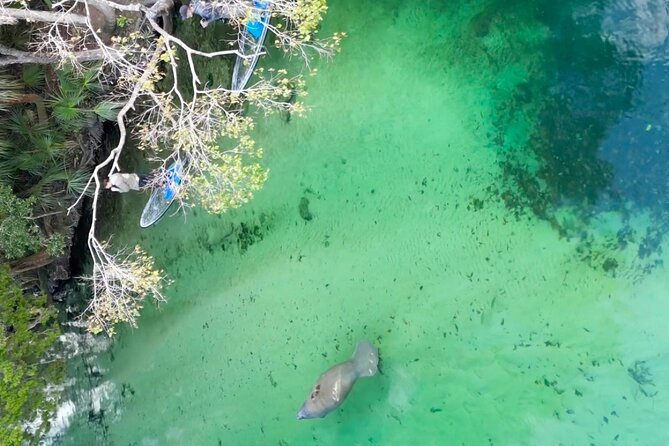
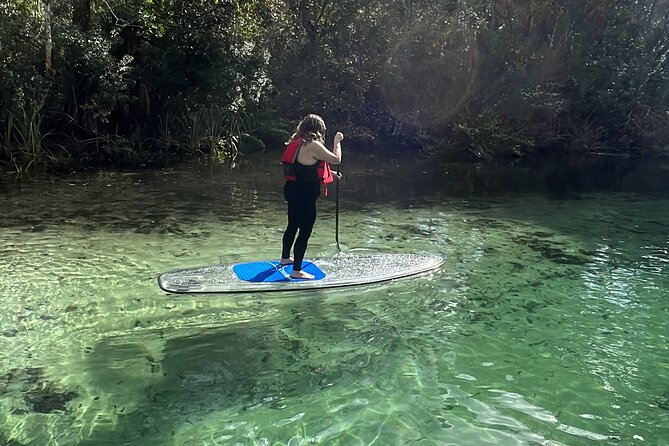
The real treat here is the clear paddle board. Sit or stand above the Weeki Wachee’s spring-fed water and look straight down at fish, plants, and possibly a manatee. The first stretch runs through quiet coastal water, with a bald eagle nest along the way.
I like the small group limit of seven, which gives your guide room to help with balance and point out wildlife. I also like the serious conservation angle, including trained Guardian Guides and a portion of each booking going to manatee conservation. The catch is simple: wildlife is never promised, and stand-up paddling takes some balance even though beginners are welcome.
Key things to know before you book
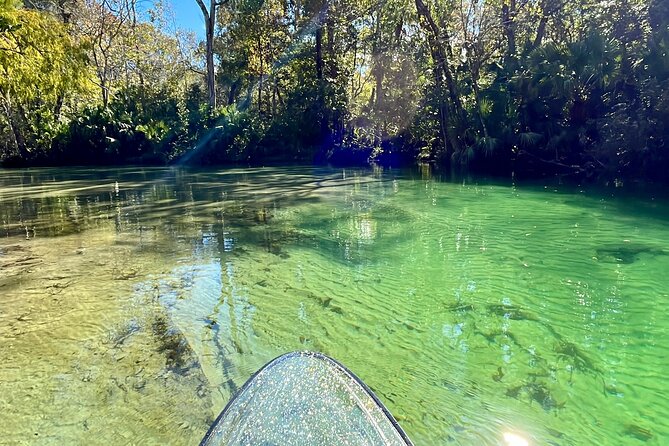
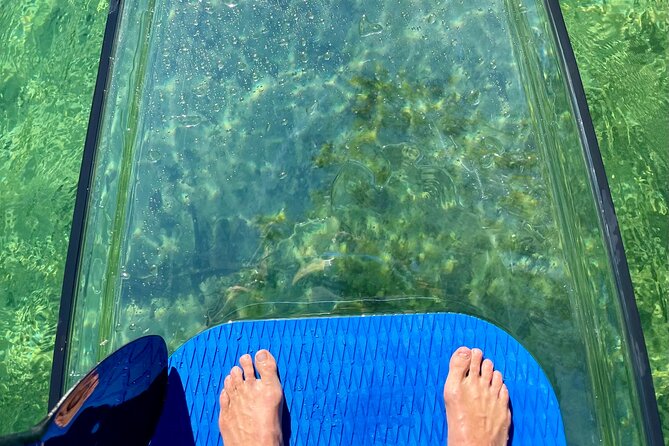
- Clear boards turn the river into a viewing platform: Sit down when needed and still keep a good look beneath you.
- Manatee season runs November 14 through March 31: Cooler mornings offer the best chance of seeing these animals in the Weeki Wachee area.
- The outing begins in calm coastal water: You pass a bald eagle nest and watch for ospreys, fish, and other birds.
- The group is limited to seven people: That matters when you need help launching, landing, or keeping your board steady.
- Guides add much more than directions: Vinny, Cassie, Raven, Bel, and Gary have been praised for wildlife facts, safety help, and easygoing instruction.
- Bring a reusable water bottle: Plastic bottles are not permitted on the river.
Why a clear board changes the Weeki Wachee experience
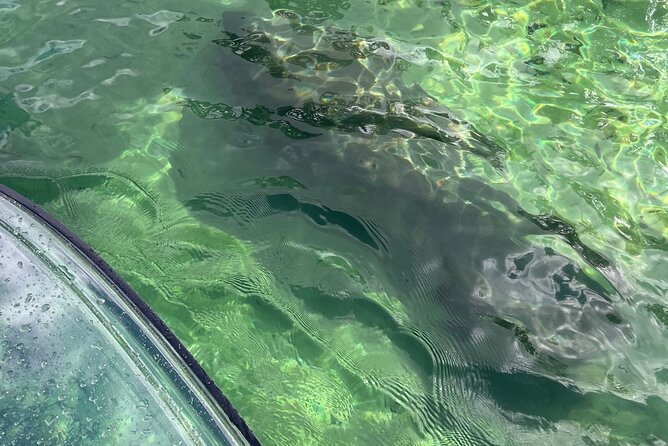
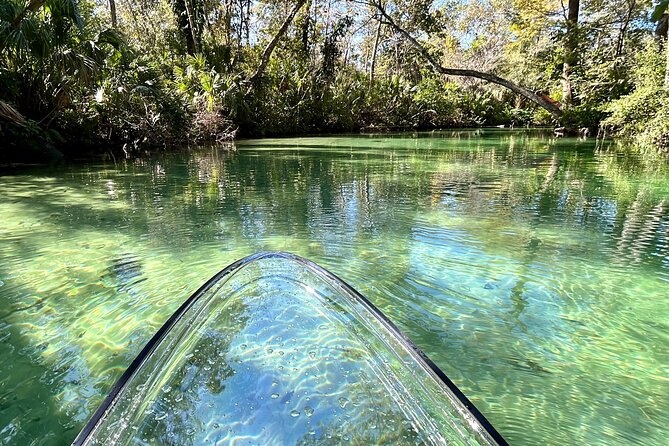
Weeki Wachee is best seen from the water. A standard kayak gives you a low seat and a good view around you. A clear paddle board adds a second window, this time beneath your feet.
That view is the main reason to choose this tour over a basic paddle outing. The board lets you watch fish move below, inspect underwater plants, and look for the shape or movement of a manatee. The effect is especially useful when you sit down, since you can settle the board and focus on the water instead of your balance.
You do not need stand-up paddling experience. The guide begins with a lesson covering the basics, then helps the group get moving. Still, do not treat the beginner-friendly label as a promise that balance will be effortless. One of the clearest practical points from the feedback is that you need decent balance to stand comfortably. The good news is that you can paddle from your knees or sit down when you want a steadier ride.
That flexibility makes the trip work for a wider range of people. You can try standing when the water is calm, then lower yourself before the board starts to wobble. For many people, sitting down is not a defeat. It is the best position for spotting what passes underneath.
More Stand-Up Paddleboarding in the USA
- Dolphin and Manatee Stand Up Paddleboard Tour in Daytona Beach
★ 5.0 · 2,328 reviews - Raccoon Island: Exploration on SUP/Kayak
★ 4.8 · 1,289 reviews - Dolphin, Manatee and SeaTurtle SUP Adventure Tour of St Augustine
★ 5.0 · 1,219 reviews
The first stretch: quiet water and a bald eagle nest
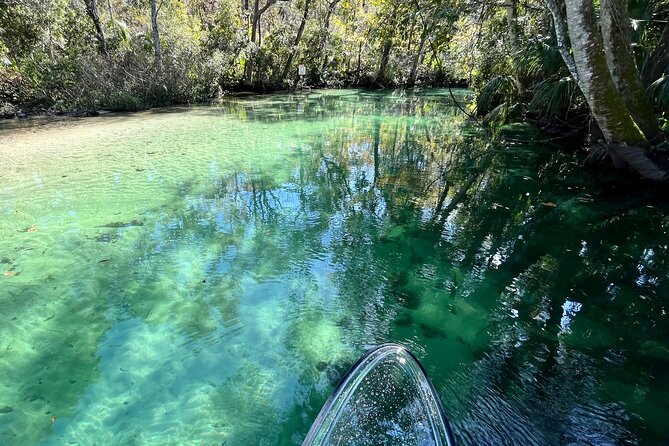
The tour begins at 8092 Marys Fish Camp Road in Spring Hill and returns to the same point. The opening portion takes you through quiet coastal water before the route reaches the more memorable wildlife views of the Weeki Wachee area.
This slower beginning has a purpose. It gives you time to learn how the board responds, find a comfortable paddle rhythm, and listen to the guide. Rather than rushing straight into a wildlife search, you get your bearings while moving through calmer water.
A bald eagle nest is one of the notable sights along this part of the route. Eagles may be nesting from October through May, depending on the tide and conditions. Seeing the nest is not the same as seeing an eagle, so keep expectations sensible. Your guide can point out the area and explain what to watch for.
Ospreys, fish, and other birds may also appear. A clear board helps with fish because you can look below the surface without constantly leaning over the side. The guide may pause at picturesque spots and take photos, a useful touch if you want to keep your hands on the paddle during most of the trip.
The tide matters here, and the exact feel of this opening section can change with water conditions. That is one reason the trip is best approached as a nature outing rather than a fixed sightseeing ride. You are following signs, movement, and habitat, not checking off a guaranteed list.
Manatee season from November 14 through March 31
The Weeki Wachee River is home to manatees throughout the year, but the cooler months bring more of them into the river and nearby waterways. The listed manatee season runs from November 14 through March 31, with the strongest chances often coming on the coldest mornings.
That timing should shape your booking decision. If seeing a manatee is your main goal, choose a date during this period and pay attention to the possibility of a cool morning. Even then, the company does not promise sightings. This is a wildlife experience, and animals do not follow the schedule.
The guide teaches you how to look for clues. A swirl on the surface, a nose rising for air, a slow shadow below the board, or disturbed vegetation may reveal more than a quick glance. Learning those signs gives the trip value even when an animal stays out of sight.
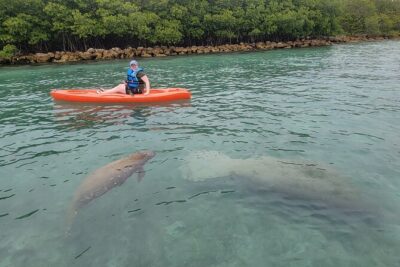
When manatees are present, the clear board gives you a wonderful angle. You may see the animal below or beside you, rather than only watching a back break the surface. Keep your focus on respectful observation. The company stresses responsible wildlife practices, and its guides are described as Guardian Guides certified by Save the Manatees.
Past outings have included sightings of one or more manatees, along with fish and birds. Some have also included dolphins. Those encounters are possible, not guaranteed, so book this if you enjoy being on the water and learning about wildlife, not only if you need a guaranteed manatee photograph.
Guides who make the difference
A good paddle guide has several jobs at once. They must watch the group, explain the river, help with launch and landing, and notice wildlife before it disappears. The feedback gives you useful names to look for: Vinny, Cassie, Raven, Bel, and Gary have each been praised for different strengths.
Vinny comes up repeatedly for his friendly, easy manner and strong conservation talks. He has helped make the trip feel relaxed while explaining how to care for manatees and other wildlife. His attention during launching and getting off the boards is especially useful if you are new to paddle sports.
Cassie has been praised for her facts about animals and plants. Raven guided an outing where the group saw three manatees and several birds. Bel helped make a clear-water trip enjoyable and informative, while Gary was singled out for helping a first-time paddler and explaining the natural world along the way.
Those names do not mean you can request a particular guide or that every departure will have the same person. They do show what good instruction looks like on this tour: calm help, clear information, and respect for the animals.
The small maximum of seven people is important here. With fewer boards on the water, the guide can keep the group together and notice when someone needs help. It also gives everyone a better chance to hear the wildlife explanation and ask questions.
Same coast, a different way into the water:
- Oahu North Shore Experience: Activities, Waterfall & Free Time
★ 5.0 · 1,799 reviews - Raccoon Island Exploration on SUP/Kayak
★ 5.0 · 972 reviews - Maui: Two Hour Beginner Group Surf Lesson in Kihei
★ 5.0 · 950 reviews - Nature & Island Exploration on SUP/Kayak
★ 4.5 · 816 reviews
What the two hours feel like
The stated duration is about two hours, though the pace can change depending on the group and wildlife sightings. A group moving slowly or pausing for animals may spend longer on the water. One past outing lasted about two and a half hours, so do not schedule a tight appointment immediately afterward.
You begin with the paddle-board lesson. Expect the guide to cover the basic technique, safety equipment, and ways to manage the board. Life jackets and whistles are provided, along with the clear board, paddle, and a dry bag.
Next comes the launch and the calm opening section. This is when you can decide how you want to ride. Stand if you feel steady, kneel if you want more control, or sit for the best possible look into the water.
The route then becomes a slow search for wildlife and scenic stopping points. Your guide shares facts about manatees, birds, plants, and the river. The group may stop for photos and to inspect signs of animal activity.
The final portion returns to the starting point at Marys Fish Camp Road. Since there is no separate end location, you do not need to arrange a ride from another part of the river.
What is included, and what you should bring
The $90 price includes the guide, clear paddle board, paddle, dry bag, life jacket, and whistle. It also includes the instruction and the small-group experience. That is a fair package if you value the clear board and the guide’s wildlife knowledge, rather than seeing this as a simple equipment rental.
The dry bag is useful for small items, but keep your packing light. You should bring a reusable water bottle because plastic is not allowed on the river. The conservation rule is easy to follow and fits the character of the outing.
Wear or bring clothing that can handle a water-based activity. The supplied information does not specify a dress code, so stick to practical gear you are comfortable paddling in. You should also be ready for a moderate level of physical effort. The tour is not described as strenuous, but paddling, balancing, launching, and landing all require movement.
Service animals are allowed. The operator also asks for a moderate physical fitness level, so you should think honestly about your ability to board, maintain balance, and paddle for roughly two hours.
How much value do you get for $90?
At $90 per person, this is not the cheapest way to get on the Weeki Wachee. You are paying for more than a board and paddle, though. The price covers a guided route, instruction for beginners, safety equipment, a clear viewing surface, a small group, and an educational focus on local wildlife.
The value is strongest if you want to understand what you are seeing. A rental can put you on the water, but it may not teach you how to find manatee signs, recognize birds, or read the river. Here, the guide is part of the experience, not just someone pointing out where to start.
The value also improves during manatee season, especially on a cold morning when animals are more likely to use the warm-water habitat. Outside that period, you can still enjoy the river, fish, birds, and plants, but you should not pay this price solely for a manatee sighting.
The small group helps justify the cost. Seven people is far more manageable than a large fleet, especially when the guide is helping with balance or stopping to explain wildlife. If you want the lowest-cost way to paddle, compare other options. If you want a guided nature outing with a clear board, the price is easier to defend.
The main drawbacks to consider
The biggest limitation is the lack of a wildlife guarantee. You might see manatees, dolphins, bald eagles, ospreys, fish, and many kinds of birds. You might also spend much of the time learning to spot signs without getting a close animal encounter.
Weather can cancel the activity. If poor weather forces a cancellation, you receive the choice of another date or a full refund. You can also cancel for a full refund if you do so at least 24 hours before the start time. Changes or cancellations inside that window are not accepted for a refund.
Balance is another consideration. The tour welcomes beginners, but you still need a moderate level of fitness and enough mobility for the equipment and launch. Anyone who dislikes unstable boards may find the clear paddle board less relaxing than a seated kayak.
The provided material also includes experiences described as clear kayak trips, so make sure your booking is specifically for the clear paddle board tour if standing or sitting on a SUP is important to you. The equipment and body position are not the same.
Who should book this Weeki Wachee tour?
I would choose this trip if you want a quiet, guided way to see the river and care about the animals that live there. It suits first-time paddlers who appreciate a short lesson, people who want a small group, and anyone drawn to the unusual view beneath a clear board.
It is especially appealing during the November 14 through March 31 manatee season. Pick the coldest practical morning you can manage if manatees are your main hope, while accepting that nature may have other plans.
Families and mixed-ability groups may like the option to sit, kneel, or stand. Strong paddlers should also enjoy it, though the pace is shaped by the whole group rather than by individual speed.
I would skip it if you need a guaranteed animal encounter, dislike balance-based activities, or want a fast ride with no pauses for explanation. This is a patient nature trip. The reward comes from noticing more, not from covering the river quickly.
Should you book it?
Book the Weeki Wachee Clear Paddle Board Ecotour if the clear board, small group, and conservation focus matter to you. The best version of this experience pairs a cool morning with a steady guide, calm water, and a manatee appearing below the board.
Go in with realistic expectations. You may see three manatees, or you may see fish and birds while learning how to search for signs. Either way, you get a guided look at one of Florida’s most famous waterways and support an operator that donates part of each reservation to manatee conservation.
FAQ
Where does the tour begin and end?
The tour begins at 8092 Marys Fish Camp Road, Spring Hill, Florida 34607. It ends back at the same meeting point.
How long does the paddle board tour last?
The activity lasts approximately two hours. The pace can vary with the group and any wildlife sightings, so allow extra time if you have plans afterward.
Do I need stand-up paddle boarding experience?
No. The guide provides a basic paddle boarding lesson, and no previous stand-up paddling experience is required.
When is manatee season?
The listed manatee season runs from November 14 through March 31. Manatees live in the Weeki Wachee River year-round, but more use the area as a warm-water winter habitat during cooler months.
Is wildlife guaranteed?
No. You may see manatees, dolphins, bald eagles, ospreys, fish, and other birds, but wildlife sightings are not guaranteed.
What happens if bad weather cancels the tour?
If poor weather causes the tour to be canceled, you will be offered another date or a full refund. You can also cancel at least 24 hours before the start time for a full refund.
Just added around the USA
- Surfing Lesson in Santa Barbara (2 Hours)★ 5.0 · 10 reviews
- Private Surf Lesson in Morro Bay★ 5.0 · 42 reviews
- Private Surf Lessons At Stinson Beach In Marin★ 5.0 · 2 reviews
- Beginner Surfing in San Francisco at Pacifica Beach★ 5.0 · 45 reviews
- Learn to Paddle Board on the San Francisco Bay!★ 5.0 · 4 reviews
- Private Surf Lesson★ 5.0 · 13 reviews
- Beginner Surf Lessons At Stinson Beach★ 5.0 · 5 reviews
- San Francisco Bay Kayak Or Paddle Board Tour★ 4.5 · 4 reviews
USA Surf Trips, compared.
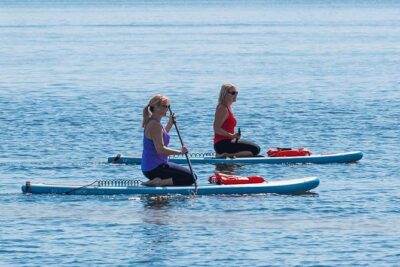
Dolphin and Manatee Stand Up Paddleboard Tour in Daytona Beach
Read our review →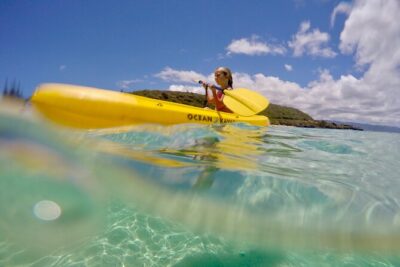
Oahu North Shore Experience: Activities, Waterfall & Free Time
Read our review →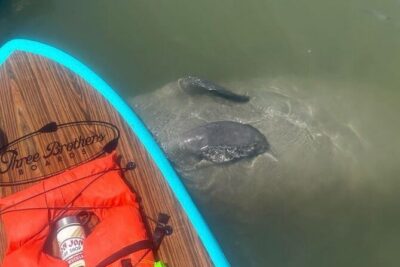
Dolphin, Manatee and SeaTurtle SUP Adventure Tour of St Augustine
Read our review →
Guided Island EcoTour: CLEAR/Standard Kayak, SUP – Bonita Springs
Read our review →
UTV Dune Cruise and Surf at Coral Pink Sand Dunes
Read our review →
Browse the lists this tour appears in