
Review · SPAIN
Gran Canaria: Kids & Teens Surf Lesson (8–16 yrs)
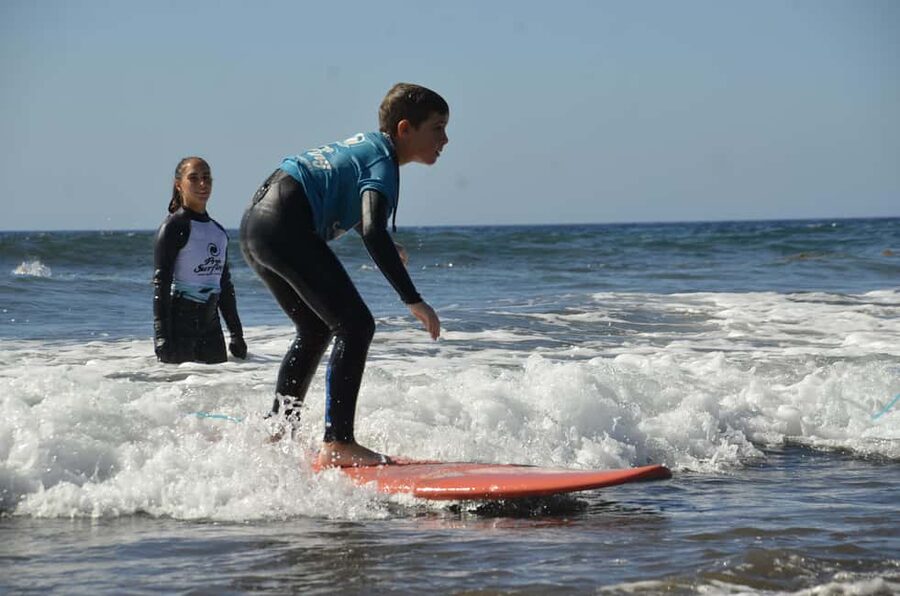
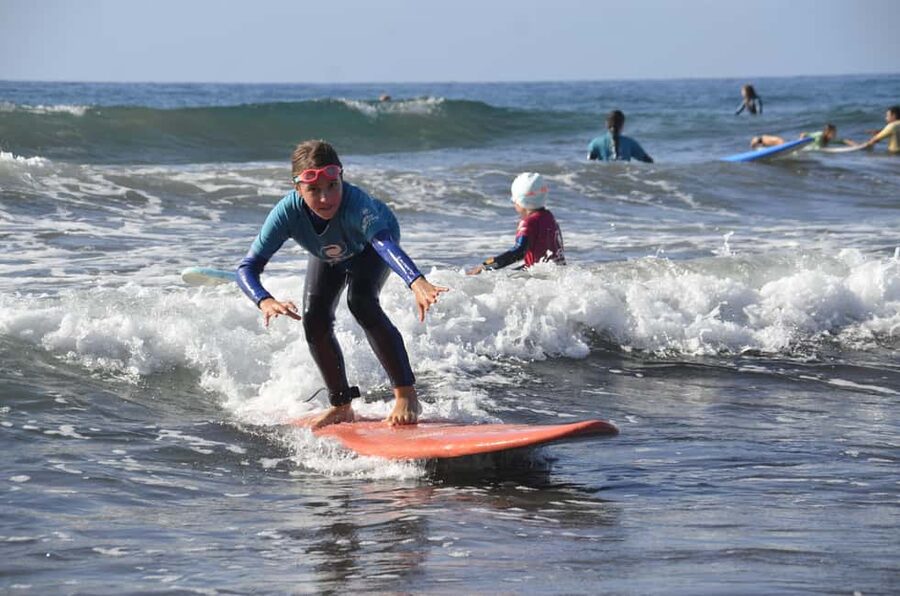
Catching a first wave is a fine holiday milestone, and this four-hour kids surf lesson is built around that moment. Children ages 8 to 16 begin on the beach, learn the take-off on sand, then move into shallow water with soft boards and close instructor support.
I like the small groups of up to six, since that gives each child more useful feedback than a crowded class. I also like the practical finish: parents receive a summary of the child’s progress, not just a wet swimsuit and a blurry memory. The main consideration is that ocean conditions can change, so the surf spot or lesson time may be adjusted.
Key points for parents
- Designed for ages 8 to 16: The class suits children and teens, with a minimum age of 8 and a basic swimming requirement.
- Small groups matter: A maximum of six participants allows instructors to give personal guidance and real-time corrections.
- Built for beginners: The lesson covers warm-up, safety, sand-based take-off practice, and gentle shallow-water surfing.
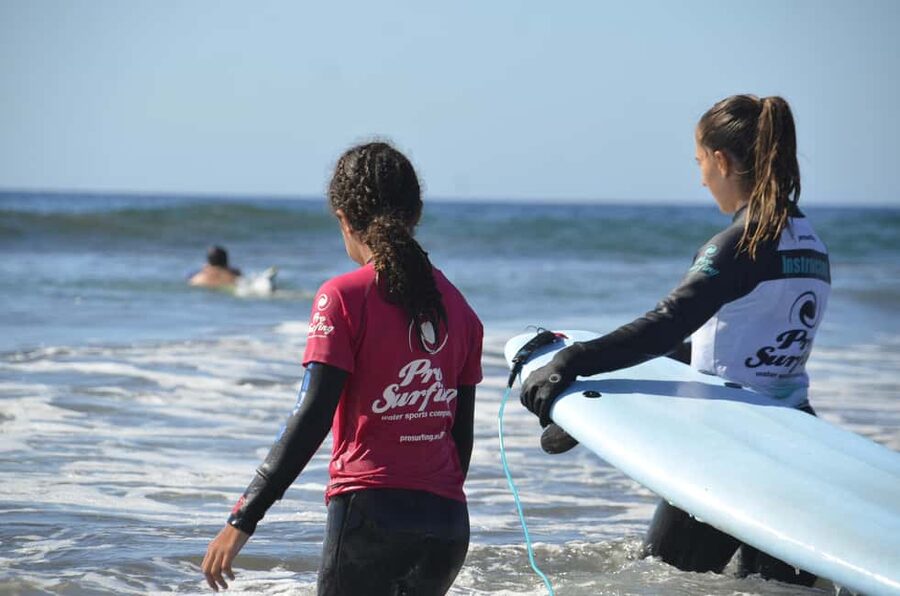
- Certified instruction: Teachers are certified by the Spanish Surfing Federation and speak English, Spanish, and Hungarian.
- Equipment is supplied: Soft boards, rash vests, and seasonal wetsuits are included, along with accident and liability insurance.
- A useful keepsake: Your child receives a progress summary at the end of the class.
A first wave, not a rushed beach stunt
This experience is aimed at children who have never surfed, or who are still finding their balance. The lesson does not simply hand a board to your child and send them toward the water. It follows a sensible order: warm-up first, safety next, take-off practice on sand, then supervised time in the sea.
That order matters. Surfing looks simple from the beach, but a child must learn where to place their hands, how to push up, how to get their feet under them, and how to stay calm when a wave reaches the board. Practicing the movement before entering the water lets your child focus on balance rather than trying to remember every instruction at once.
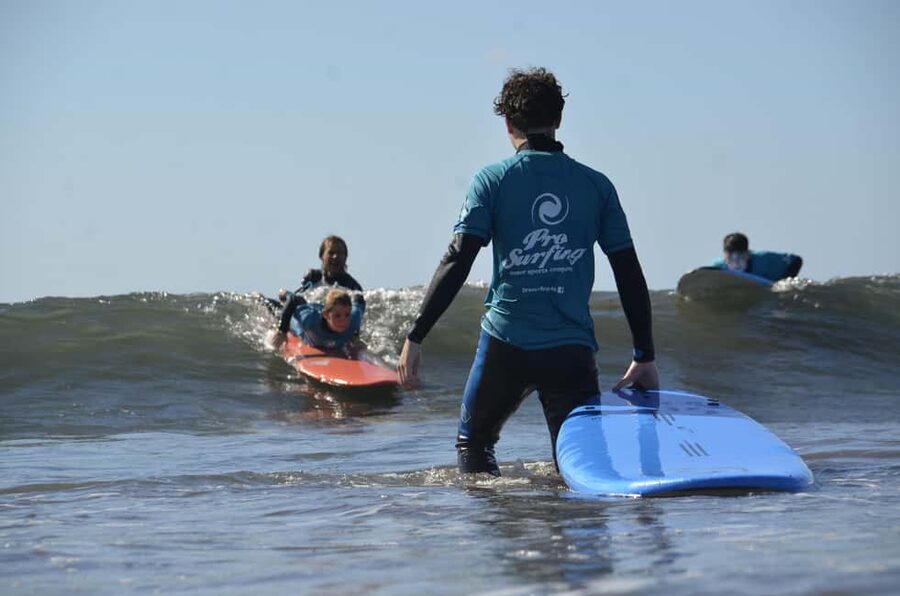
The water portion uses gentle, shallow waves described as suitable for first rides. You should still expect an active lesson, not a guarantee that every child will surf independently by the end. Progress depends on the sea, the child’s comfort in water, and how quickly they find the board’s balance point.
More Surf Lessons in Spain
- Tenerife: Surfing Lesson for All Levels, Photos included
★ 4.9 · 1,314 reviews - Group Surfing Lesson at Playa de las Américas, Tenerife
★ 5.0 · 1,072 reviews - Playa de las Américas: Private or Small-Group Surf Lesson
★ 4.8 · 980 reviews
From the Eurocenter to the beach
You meet at Pro Surfing School Maspalomas in the Eurocenter Shopping Center. The shop is opposite the Policía Nacional office, at the side entrance beside the parking area and Lidl supermarket. Large flags, a big Pro Surfing sign, and company vehicles with the school logo make the meeting point easy to identify.
Free parking is available at Lidl, about 50 meters from the school, and there is also parking in front of the shop. That is useful for families carrying swimwear, towels, sunscreen, and children’s changing items. Hotel pickup is not included, though it can be requested as an optional extra.
The meeting point is not a beachside arrival, so allow time to find the shop, park, and get ready. Arriving on time is important. A four-hour class has several stages, and a late arrival can cut into the safety briefing or the warm-up.
The four-hour lesson, step by step
Warm-up and water safety
The class begins with a dynamic warm-up. For children, this is more than a routine stretch. It gets bodies moving before paddling, standing, and repeatedly getting back onto the board.
The safety briefing follows. Instructors explain the basic rules for handling a surfboard and moving in the water. This is one of the most valuable parts of the lesson for parents, since a child who understands the plan is more likely to respond well when conditions feel unfamiliar.
A basic swimming ability is required. The school provides instruction and safety equipment, but this is still an ocean activity. You should not treat the lesson as a substitute for swimming supervision or water confidence.
More Family Surf Lessons in Spain:
- Private Family Surf Lesson
★ 5.0 · 41 reviews - Fuerteventura: Kids and Family Surfing Lesson
★ 4.7 · 29 reviews - The Surftrip: A 2.5-hour morning surf session for beginners, intermediate surfers, and families.
★ 5.0 · 12 reviews - Kids and Family Guided Surf Course at Fuerteventura Beaches
★ 5.0 · 7 reviews
Take-off practice on the sand
Before the children enter the sea, they practice the take-off on the sand. This is the movement that takes a surfer from lying on the board to standing with feet placed for balance.
The instructors can watch each child’s position and make corrections before the waves add pressure. For a beginner, small changes in hand placement or foot position can make the difference between standing briefly and sliding off immediately.
This dry practice also helps children understand what success feels like. The first attempt in the water can be exciting and confusing, so having rehearsed the motion gives them something familiar to repeat.
Soft boards and shallow waves
The class then moves into the water with soft boards adapted for children and teens. Soft boards are a sensible choice for beginners because they are designed with learning in mind and are less intimidating than hard boards.
The lesson uses gentle, shallow waves for first rides. Instructors provide real-time feedback as the children try, reset, and try again. Your child may receive help with positioning, timing, or the take-off, depending on what needs attention.
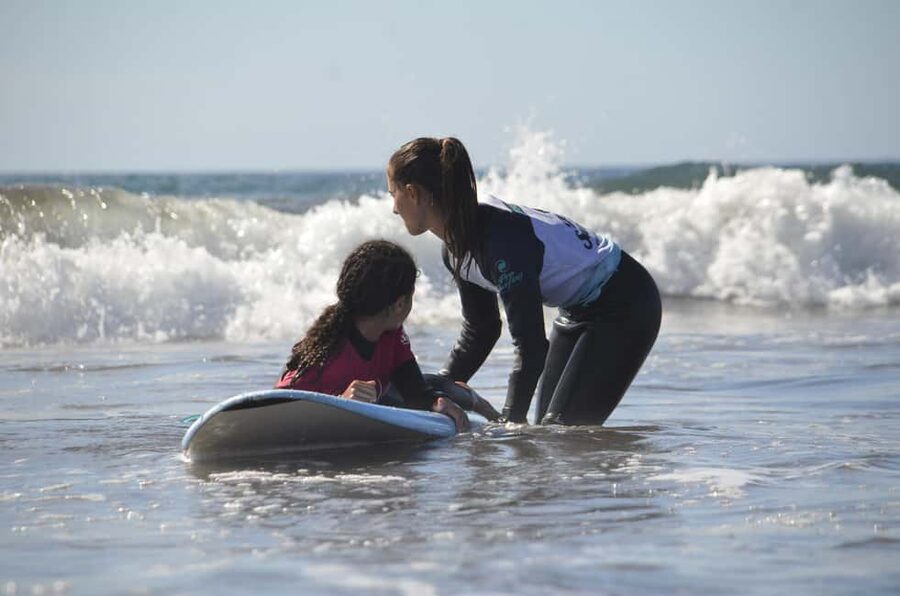
This is where the group limit becomes important. With no more than six participants, the instructor can keep track of each child rather than offering only broad advice to the whole class. That does not mean one instructor will be beside your child every second, but it does create better conditions for personal corrections.
Parents can watch from the beach. You will probably see a mixture of careful paddling, quick falls, board handling, and sudden moments of balance. The first successful stand is often brief, but it is still a real achievement.
Progress feedback at the end
The experience includes a progress summary at the end of the class. This gives the child something more useful than a general good job. It helps identify what they practiced and how they developed during the lesson.
The summary also gives parents a clearer sense of the child’s experience. If your child wants to surf again, you have a starting point for the next lesson. If the water felt challenging, you can better understand which part of the process caused difficulty.
No photos or videos are included. That keeps the focus on instruction, but it also means you should not expect an official record of the first wave. Parents watching from shore may be able to take their own photos if appropriate, though the supplied information does not promise this.
Why the small group is worth noticing
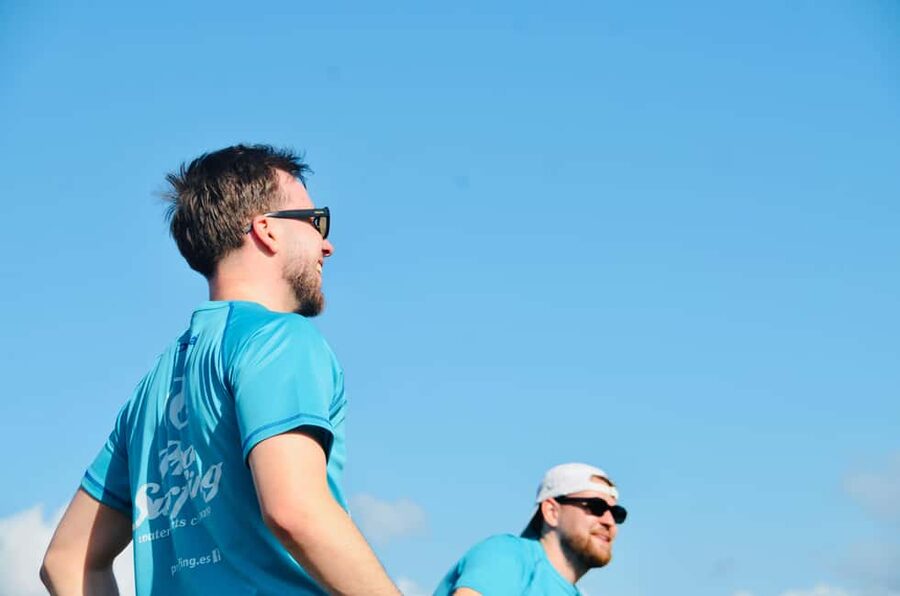
Many children’s activities are called small group experiences even when the class is large enough for individual attention to disappear. Here, the stated limit is six participants. That is a meaningful number for an activity where each child needs time on a board and repeated attempts.
Small groups help in three ways. First, children spend less time waiting for a turn. Second, the instructor can notice differences in confidence and ability. Third, corrections can be matched to the child rather than delivered as one instruction for everyone.
This matters for mixed ages. An 8-year-old and a 16-year-old may both be beginners, but they may not need the same explanation or level of physical support. Personal guidance gives the instructor room to adjust.
Still, small does not mean private. If your child needs one-to-one supervision at all times, ask the provider about that before booking. The experience is a small group class, not a private lesson.
What the price includes at $77
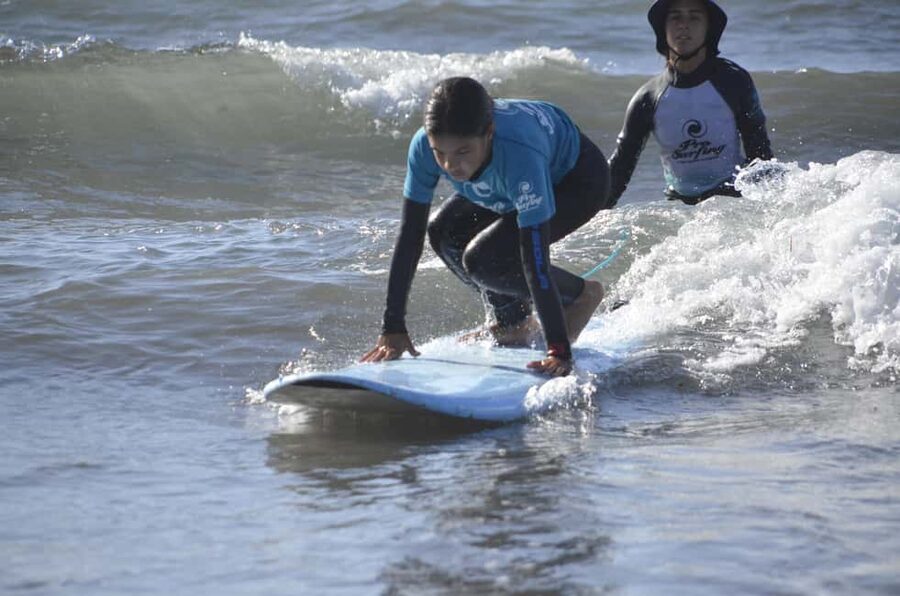
At $77 per person, the value depends on how much equipment and instruction your family would otherwise arrange separately. The fee covers a four-hour lesson, soft board, rash vest, seasonal wetsuit, certified instructors, insurance, mineral water, and the end-of-class progress summary.
That is a solid package for a first attempt. You do not need to rent a board or wetsuit, and you do not need to arrange separate beginner instruction. Liability and accident insurance are included for participants, which is another practical benefit for parents.
The price does not include photos, videos, towels, sunscreen, or hotel pickup. Those omissions are easy to handle, but they affect your planning. Bring a towel and sunscreen from your accommodation, and pack swimwear so your child is ready for the water.
The fee is less appealing if your child is unsure about participating or dislikes group instruction. Four hours is a substantial block of a holiday, and the experience includes physical effort, repeated falls, and time in the sun. For a child eager to surf, the duration allows enough time to learn and repeat the basics. For a reluctant child, it may feel long.
A school with a long local teaching record
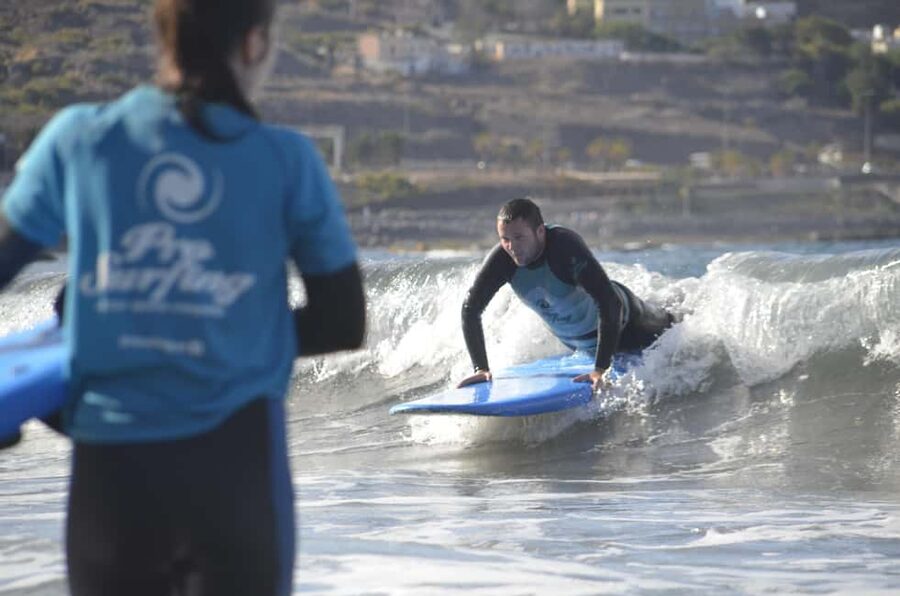
Pro Surfing Company says it was the first surf school in Gran Canaria and has taught families since 2004. That background does not guarantee a perfect class, since the weather, sea, and individual instructor all affect the day. It does suggest that family teaching is a central part of the school’s work rather than a new add-on.
The instructors are certified by the Spanish Surfing Federation. That matters most in the early stages, when safety, board control, and simple explanations are more important than flashy technique.
Lessons are offered in English, Spanish, and Hungarian. This is useful for families who want children to understand safety instructions without language confusion. The supplied information does not name individual instructors, so you should not book expecting a particular teacher.
Weather, sea conditions, and comfort
The ocean does not follow a fixed schedule. Conditions may change, and the school can adjust the surf spot or lesson time for safety. You should view that flexibility as part of a responsible water activity, not as a flaw in the plan.
The class is held on a sandy beach, which is friendlier for beginners than a rocky shore. Even so, children should arrive with sunscreen already available, a towel, swimwear, and water. Mineral water is included, but bringing extra water is sensible for an active four-hour outing.
Wetsuits are provided seasonally, not necessarily at every time of year. Rash vests are included. Ask about the current equipment setup if your child is sensitive to cooler water or sun exposure.
Pets are not allowed, except for certified service animals. Drones, food in the vehicle, alcohol, and drugs are also not allowed. Bachelor and bachelorette party groups are not accepted, which fits the family-focused nature of the lesson.
Who will enjoy this most
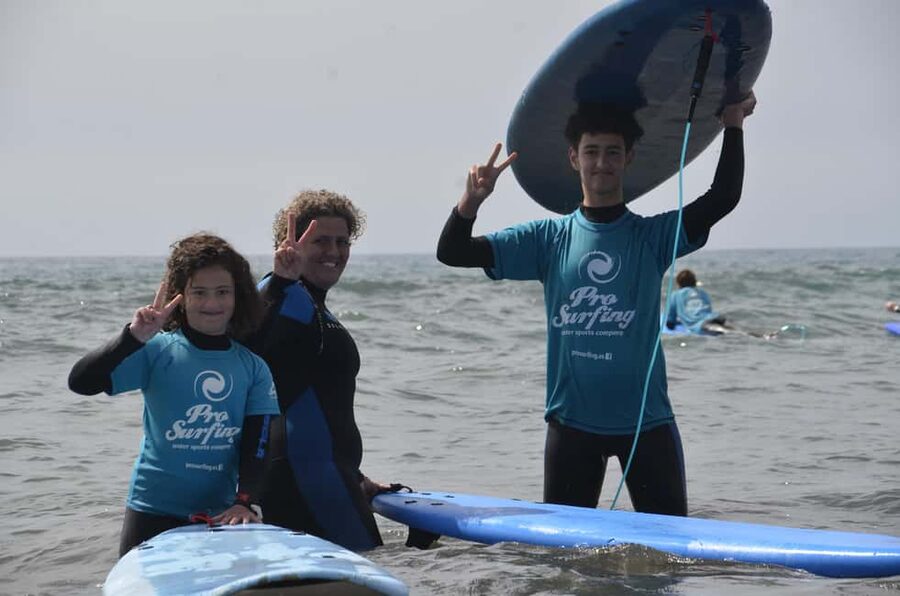
I would choose this for a child who can swim, is comfortable trying something new, and likes active instruction. It is especially suitable for families who want a shared holiday milestone without asking parents to teach surfing themselves.
It also works well for siblings or friends within the 8 to 16 age range. The small group format gives them a social setting while still allowing personal help. Parents can remain on the beach and watch rather than needing to join the lesson.
This is not suitable for children under 8, people shorter than 100 centimeters, people over 115 kilograms, or people over 70. The stated minimum age is firm, and basic swimming ability is required.
I would think twice before booking it for a child who is afraid of the sea, cannot swim, or is likely to struggle with a four-hour active session. The instructors can guide technique, but they cannot remove every part of the ocean experience.
Practical preparation for your family
Keep the morning or afternoon simple. Your child will need swimwear, a towel, sunscreen, and water. Avoid arriving with a full vehicle of food or drinks, since food and alcohol are not allowed in the vehicle.
Dress for changing at the surf school or beach, and bring only what your family needs. Since photos and videos are not included, decide in advance whether a parent will take pictures from the beach, as long as doing so does not distract from supervision or instruction.
Check the start time before booking. The activity lasts four hours, but the available starting times can vary. Since the school may adjust the time or surf spot for safety, keep a little flexibility in your day.
Cancellation is free up to 24 hours before the activity for a full refund. You can also reserve and pay later, which helps if your Gran Canaria plans are still shifting.
Should you book the Kids and Teens Surf Lesson?
Book it if your child is at least 8, can swim, and wants a real introduction to surfing rather than a quick photo opportunity. The strongest reasons are the six-person maximum, certified instruction, supplied equipment, and clear progression from safety briefing to first rides.
The $77 price is fair for a four-hour, equipment-included lesson with insurance and a progress summary. It is less of a bargain if your child is uncertain about the sea, since the session is long and physically active.
For families staying near Maspalomas who want one shared holiday story, this is a sensible pick. Just pack the basics, arrive early at the Eurocenter, and accept that the sea gets the final word on the day.
FAQ
What age range is this surf lesson for?
The lesson is designed for children and teens ages 8 to 16. Children under 8 cannot participate.
How long does the activity last?
The surf lesson lasts four hours. Starting times vary, so check availability when booking.
Where is the meeting point?
Meet at Pro Surfing School Maspalomas in the Eurocenter Shopping Center. The school is opposite the Policía Nacional office, beside the side entrance, parking area, and Lidl supermarket.
Is parking available?
Yes. Free parking is available at the Lidl supermarket about 50 meters from the surf school. Parking may also be available directly in front of the shop.
What equipment is included?
Soft surfboards adapted for children and teens, rash vests, and seasonal wetsuits are included. The class also includes a warm-up, safety briefing, instruction, feedback, insurance, and mineral water.
Do children need to know how to swim?
Yes. Basic swimming ability is required for participants.
What languages do the instructors speak?
The instructors teach in English, Spanish, and Hungarian. They are certified by the Spanish Surfing Federation.
Can parents receive photos or videos?
Photos and videos are not included. The activity does include a progress summary at the end of the class.
Can the lesson time or surf location change?
Yes. Ocean conditions may change, and the surf spot or lesson time may be adjusted for safety.
Just added around Spain
- Sunrise SUP tour & breakfast – Private stand up paddle boarding experience★ 5.0 · 20 reviews
- Surf the Basque Country Day trip – Private experience★ 5.0 · 5 reviews
- 4 Hour Surf Lesson★ 4.5 · 19 reviews
- Hawaiian Canoe, Kayak and Surfski Tour★ 5.0 · 10 reviews
- Surf Experience in Cotillo★ 5.0 · 5 reviews
- “Best Beaches Mallorca Experience with Guide, SUP, and Snorkel”★ 4.0 · 6 reviews
- Sunset SUP Tour in Marbella★ 4.5 · 8 reviews
- Paddle Boarding Tour on the beautiful Marbella Coast★ 4.5 · 9 reviews
Spain Surf Trips, compared.
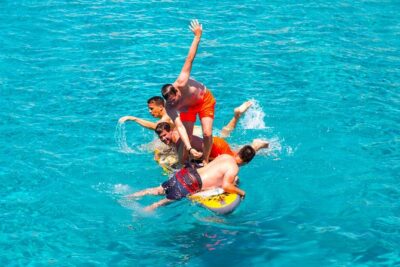
Ibiza Beach Hopping Cruise with Paddleboards, Drinks and Food 6h
Read our review →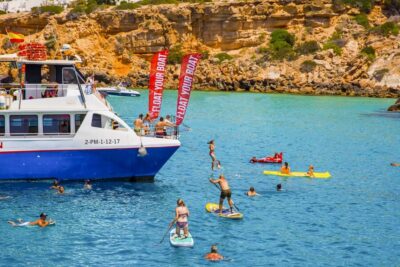
Beach Hopping Cruise w/ Paddleboard, Food, & Drinks
Read our review →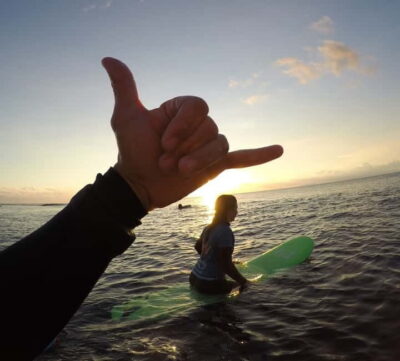
Surfing Lesson for All Levels, Photos included
Read our review →
Snorkeling and SUP Paddle, Beach and Cave Tour
Read our review →
Playa de las Américas: Private or Small-Group Surf Lesson
Read our review →
Sunrise Paddleboarding with Instructor and Photos
Read our review →
Paddleboarding at Sunrise. Includes: instructor, photos, equipment
Read our review →
Kayak and Paddleboard Excursion Through Crystal Clear Caves
Read our review →Browse the lists this tour appears in