
Review · BIG ISLAND
Go Surf Hawai’i (Kona Coast)
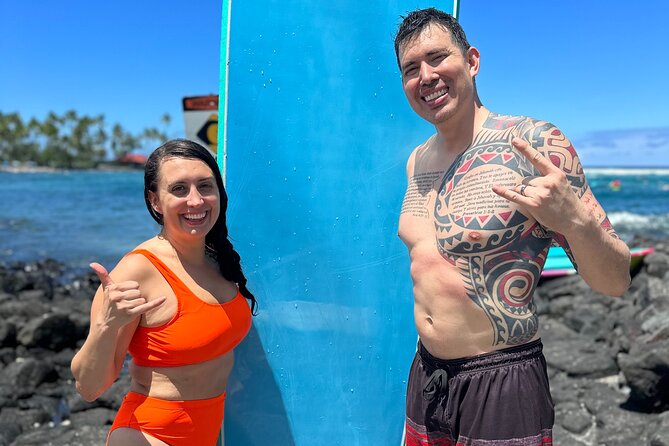
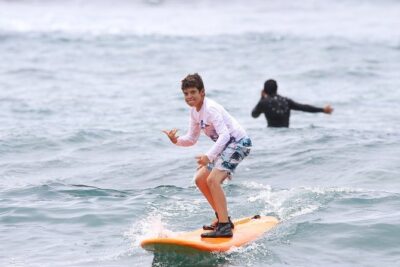
Kona’s mellow beginner break gives first-time surfers a fair shot at standing up, even when the waves are modest. Your coach, including instructors such as Jared, Jace, Rory, or Renee, adjusts the lesson to your group instead of rushing everyone through the same drill.
I like the four-person limit, which means more turns and more direct help in the water. I also like the local advice built into the experience, from where to surf next to places to eat and beaches worth exploring beyond the usual visitor routes.
The main consideration is the ocean itself. Conditions can change, and one scheduled lesson was shifted because there were no usable waves. The session requires moderate fitness, and you should be comfortable in the water before booking.
Key things to know before you paddle out
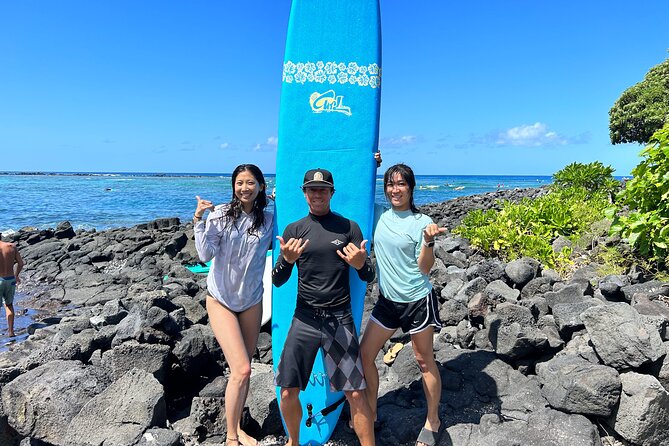
- Small groups make a real difference: The maximum of four people leaves room for personal coaching and more attempts.
- The lesson lasts about 90 minutes: That includes dry-land instruction, gearing up, and time in the water.
- Soft-top boards and rash guards are provided: You do not need to bring your own surf equipment.
- Jared and Jace receive especially warm praise: Both are described as patient, clear, friendly, and attentive in the water.
- Photo service may be available: A freelance photographer can sometimes capture your session, but it is not guaranteed.
- The lesson ends with local advice: You can ask about future surf spots, equipment rental, beaches, food, and other places to explore.
Why this Kona surf lesson works for beginners
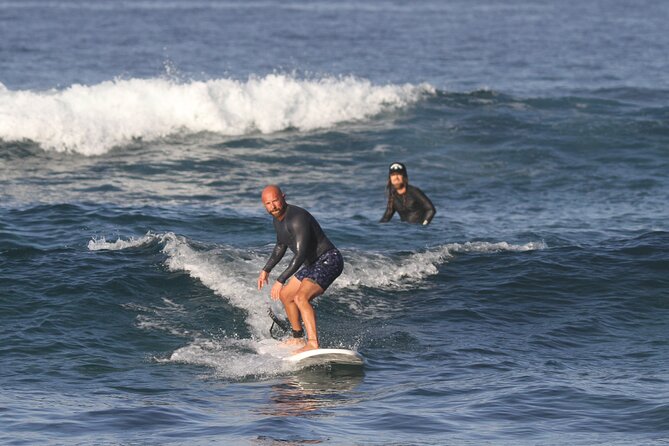
Many first surf lessons feel like a crowd-control exercise. A coach gives a quick speech, points toward the ocean, and tries to watch too many people at once. Go Surf Hawai‘i takes a better-sized approach, with no more than four people in a group.
That limit matters most once you are in the water. Surfing involves timing, balance, paddling, and a quick change from lying down to standing. You may need several tries before the motion feels natural. With a small group, the coach can watch your form, help position you for a wave, and give you another attempt without leaving you waiting too long.
The class is built for a wide range of ability. You can arrive as a complete beginner, or you can use the session to improve your timing and confidence. The coaching is adjusted to the person. A stronger adult might receive help with turning and wave choice, while a nervous first-timer gets a slower introduction and closer support.
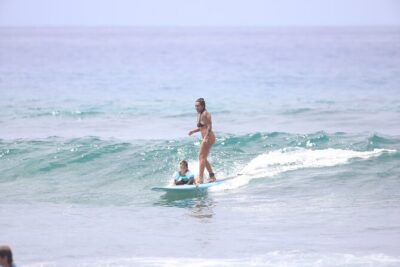
That flexibility has been useful for mixed family groups. Parents and teenagers can take the same lesson even when their athletic ability differs. Younger children have also taken part, though private lessons are required for keiki under nine.
A few more sessions around the USA worth a look
- Dolphin and Manatee Stand Up Paddleboard Tour in Daytona Beach
★ 5.0 · 2,328 reviews - Raccoon Island: Exploration on SUP/Kayak
★ 4.8 · 1,289 reviews - Dolphin, Manatee and SeaTurtle SUP Adventure Tour of St Augustine
★ 5.0 · 1,219 reviews
Meeting at 78-6680 Ali‘i Drive in Kailua-Kona
The lesson begins at 78-6680 Ali‘i Drive in Kailua-Kona and returns to the same meeting point. Directions are provided, and the location is near public transportation, which helps if you are not using a rental car.
Plan to arrive ready to focus. The supplied information does not describe a separate hotel pickup, so do not assume transportation from your accommodation. A mobile ticket is accepted, and confirmation is provided when you book.
The same starting and ending point keeps the logistics simple. You do not need to figure out a second pickup location after a tiring session. It also makes this activity easier to fit between other Kona plans, although I would avoid booking something immediately afterward if you want time to change, dry off, or simply slow down.
The experience is offered in English. Since the lesson depends on short instructions and quick corrections in the water, you should be comfortable following basic English coaching.
Getting ready on land with a soft-top board
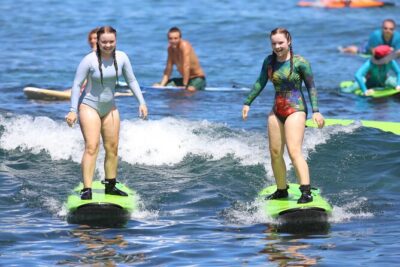
The first stage is preparation. You receive the necessary surf equipment, including a soft-top board and a rash guard. A soft-top board is a sensible choice for beginners because it is designed for stability and is less intimidating than a narrow performance board.
The coach begins with dry-land instruction. You learn the basic sequence: paddle, prepare to stand, pop up, and find your balance. This practice is important because the first few seconds of a wave move quickly. Rehearsing on land lets you think through your foot placement before the board is moving under you.
You may also receive help with body position and the use of your arms and legs. One person specifically found turning difficult, which is a useful reminder that standing is only the first goal. Once you are upright, keeping the board traveling in the intended direction takes additional coordination.
I like that the lesson covers more than simply pushing you into waves. The goal is to give you skills you can use again, including how to spot a suitable wave and how to improve your form. One early-morning participant received help with turning and wave selection, then began catching waves without constant assistance.
Time in the water at a gentle break
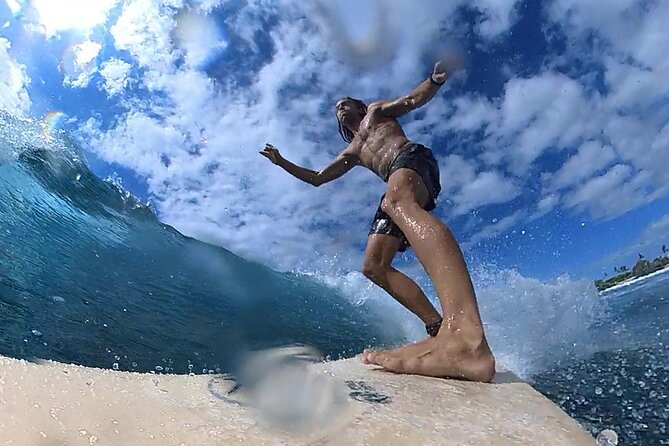
Once you are geared up, the class moves to a mellow, beginner-friendly surf break. The coach helps you choose opportunities and works with you as waves approach. The water time is the heart of the lesson, but it is also where conditions matter most.
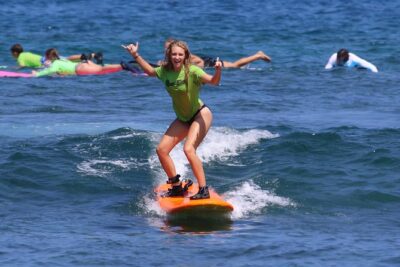
On a good day, you may stand on your first or second attempt. Several families managed to get up, including groups with children and adults of mixed ability. That should not be treated as a promise. Surfing success depends on wave conditions, your fitness, your balance, and how quickly the pop-up motion becomes familiar.
Even a flatter day can still produce a worthwhile lesson. One family reported that all three members stood successfully despite smaller waves. The practical benefit is that the coach can adjust expectations and help you work on technique instead of measuring the session only by the size of the ride.
The lesson may include a fair amount of paddling. You should expect to work, especially when returning to position after a wave. The listed fitness level is moderate, and one family noted that an instructor helped a younger child who struggled to paddle back. Be realistic about your energy, particularly if you have not been active in the ocean recently.
You should also be comfortable in the water. The supplied material does not list a formal swimming test, but a participant advised knowing how to swim before taking the lesson. That is sound advice for any ocean activity.
Same coast, a different way into the water:
- Oahu North Shore Experience: Activities, Waterfall & Free Time
★ 5.0 · 1,799 reviews - Raccoon Island Exploration on SUP/Kayak
★ 5.0 · 972 reviews - Maui: Two Hour Beginner Group Surf Lesson in Kihei
★ 5.0 · 950 reviews - Nature & Island Exploration on SUP/Kayak
★ 4.5 · 816 reviews
What Jared, Jace, Rory, and Renee bring to the lesson
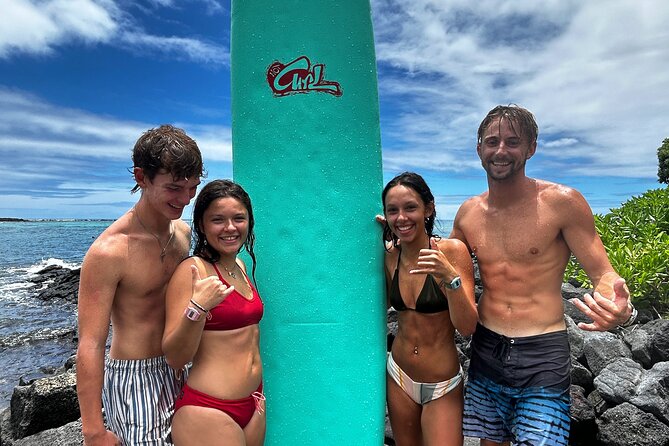
The instructors are a major part of the experience. Jared is repeatedly described as patient, encouraging, calm, and attentive. One nervous adult felt protected in the water while a more experienced partner still received enough challenge. That ability to support two different skill levels in the same class is valuable for couples.
Jace is praised for clear communication and careful instruction. He helped families with proper form, wave timing, and local beach advice. One family of three had all its members standing by the end, including a parent who did not consider themself athletic.
Rory has worked with both adults and children. One small group received changes to their form, advice on spotting waves, and suggestions for turning. Another family said Rory and Jared were particularly helpful with children who needed more help paddling.
Renee is also mentioned as a patient instructor who worked with a six-year-old and an adult. That is a useful sign for families, although the private-lesson rule for children under nine still applies.
The names matter because this is not a fully anonymous, conveyor-belt lesson. Your experience depends partly on which coach is assigned, the day’s ocean conditions, and the size of the group. The consistent theme is direct teaching with a relaxed manner, rather than a loud or overly competitive atmosphere.
The local tips are part of the value
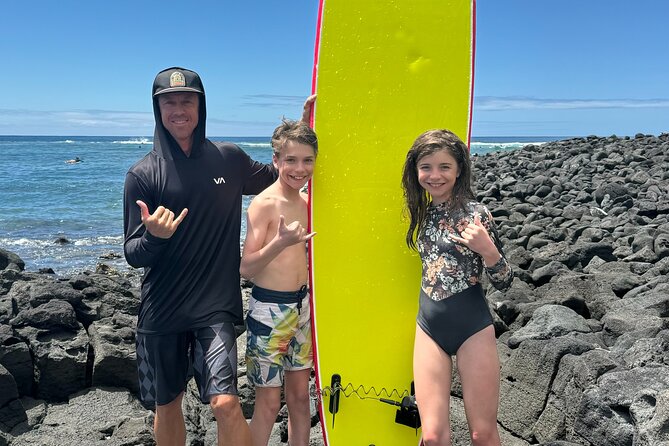
The lesson does more than teach you how to stand on a board. You can ask the coach where to surf next, where to rent equipment, which beaches might fit the weather, and where to eat or explore away from the standard tourist circuit.
This is especially useful if you have several days on the Big Island. A first lesson gives you a taste of surfing, but the local advice helps you decide if you want to practice on your own. You can ask what kind of break suits your new ability and what conditions to watch for during the rest of your stay.
Do not expect a formal sightseeing tour. The local knowledge comes through conversation and practical coaching. That is a strength for people who prefer useful advice over a scripted talk.
The setting also carries cultural interest. One participant described the area as the supposed birthplace of surfing. Even without treating that claim as a formal historical designation, learning in Hawai‘i gives the activity a sense of place that an indoor lesson or generic resort pool cannot match.
Optional photos and the small touches
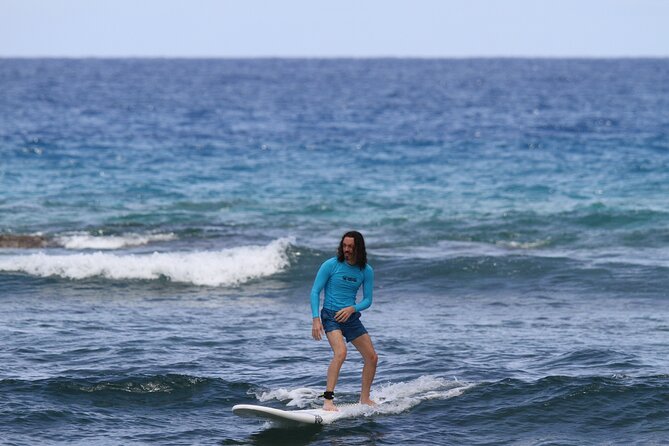
A freelance photographer may be available to capture your session. Availability varies, so tell the operator ahead of time if photos matter to you, but treat this as an option rather than a guaranteed part of the booking.
Photography can be worthwhile for a first surf lesson. Your own attention will be on balance and staying upright, not on taking pictures. If the photographer is available, ask how the images are arranged and what is included before assuming the service is part of the base experience.
The instructors also seem willing to help with small practical problems. One person became unwell from low blood sugar before the lesson and received snacks. In another case, an instructor stayed to help locate a child’s glasses after the session, eventually discovering that another group had picked them up by mistake.
Those details are not part of a formal itinerary, and you should not count on receiving snacks or help with lost property. They do show the personal character of a small local operation. At the end of some sessions, the group has been offered fresh coconut juice straight from a coconut, a pleasant Hawaiian touch after time in the sun and salt water.
Timing, weather, and the value of the lesson
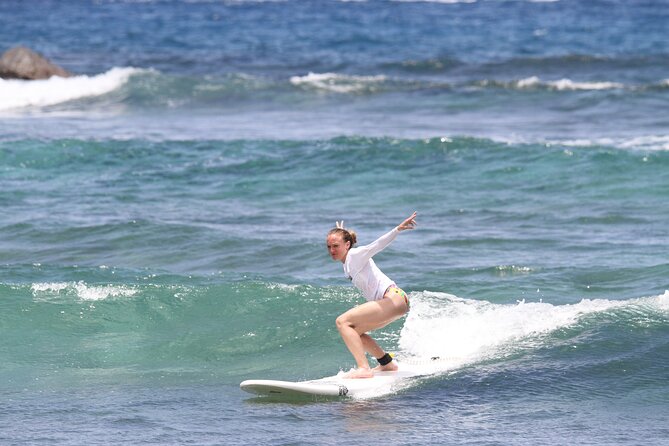
The experience lasts about one hour and 30 minutes. Families have described roughly 75 to 90 minutes in the water, though the full appointment also includes preparation and dry-land instruction. The amount of actual riding depends on the surf and how quickly your group gets moving.
No price is provided here, so I cannot judge the exact dollar value. In general, the strongest value comes from the small group and the amount of individual coaching. A cheaper class with a large crowd may cost less but offer fewer attempts and less useful feedback. A private lesson would provide more attention, but this four-person format may give you much of that benefit at a lower cost.
The activity requires good weather and workable surf. If conditions are poor, you may be offered another date or a full refund. One group was contacted because the waves were not suitable and rescheduled for the next morning, when the conditions improved.
That is the right way to think about an ocean lesson. A canceled session is frustrating, especially if you drove a long way, but forcing a class in poor conditions would not serve beginners. Keep a little flexibility in your Kona schedule if surfing is a high priority.
You can cancel for a full refund up to 24 hours before the start time. Changes or cancellations inside that window are not refunded, except when the operator cancels because of weather.
Who should book Go Surf Hawai‘i
I would choose this lesson for a first-time surfer, a couple with different ability levels, or a family that wants patient instruction without committing to a full day. The four-person cap is particularly useful when children and adults are learning together.
It also suits a person who feels nervous about the ocean. Jared and the other instructors have shown patience with hesitant beginners, and the class can be adjusted rather than treating fear as a problem. You still need reasonable fitness and comfort in the water, but you do not need previous surfing experience.
More experienced surfers should set their expectations carefully. This is a beginner-oriented lesson at a mellow break, not a high-performance coaching session aimed at advanced maneuvers. You may still receive useful feedback on wave choice, turning, and form, but the focus is safe, steady progress.
Families with children should check the age details before booking. Private lessons are required for keiki under nine. Older children have taken part successfully, but the physical demands of paddling and standing still matter.
Should you book this Kona surf lesson?
Book it if you want a friendly introduction to surfing with real water time, a small group, and an instructor who can give you more than a quick demonstration. The strongest reasons are the four-person limit, included equipment, patient coaching, and practical local advice.
Think twice if your schedule cannot handle a weather change, if you want large waves, or if you are uncomfortable swimming and paddling. For most first-timers who want a manageable introduction, Go Surf Hawai‘i offers a sensible way to try the sport in a beautiful and meaningful setting.
FAQ
How long does the Go Surf Hawai‘i lesson last?
The experience lasts approximately one hour and 30 minutes. This includes dry-land coaching, getting equipped, and time at the beginner-friendly surf break.
Where does the lesson meet?
The meeting point is 78-6680 Ali‘i Drive, Kailua-Kona, Hawai‘i 96740. The activity ends back at the same location.
How many people can join the lesson?
The activity has a maximum of four participants. This small group size allows for more direct instruction and more attempts in the water.
Is surf equipment provided?
Yes. The experience provides a soft-top surfboard and a rash guard. Optional photography may also be available through a freelance photographer, depending on availability.
Do I need previous surfing experience?
No. The lesson is designed for beginners, while also allowing people with some experience to work on their skills. You learn paddling, popping up, balance, wave selection, and basic technique.
Can children take the lesson?
Children can participate, but private lessons are required for keiki under nine. The lesson requires moderate physical fitness, and you should be comfortable in the water.
What happens if the weather or waves are poor?
If the experience is canceled because of poor weather, you will be offered another date or a full refund. The operator may also reschedule when there are no suitable waves. For your own cancellation, a full refund is available when you cancel at least 24 hours before the start time.
Just added around the USA
- Surfing Lesson in Santa Barbara (2 Hours)★ 5.0 · 10 reviews
- Private Surf Lesson in Morro Bay★ 5.0 · 42 reviews
- Private Surf Lessons At Stinson Beach In Marin★ 5.0 · 2 reviews
- Beginner Surfing in San Francisco at Pacifica Beach★ 5.0 · 45 reviews
- Learn to Paddle Board on the San Francisco Bay!★ 5.0 · 4 reviews
- Beginner Surf Lessons At Stinson Beach★ 5.0 · 5 reviews
- San Francisco Bay Kayak Or Paddle Board Tour★ 4.5 · 4 reviews
- Private Surf Lesson★ 5.0 · 13 reviews
Big Island Surf Trips, compared.

Premium group surf lessons- Kona’s Best Surf Lessons
Read our review →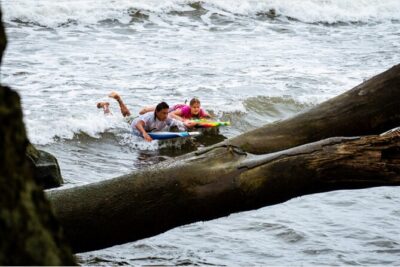
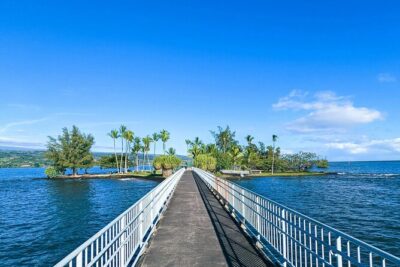
Historic Hilo Bay & Coconut Island SUP Adventure
Read our review →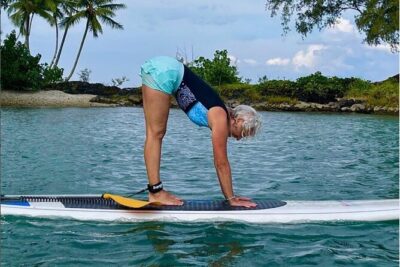
Wailoa River to King Kamehameha Statue SUP Adventure
Read our review →Browse the lists this tour appears in