
Review · MANGROVE & RIVER PADDLING
SUP Private Tour in Motlawa River
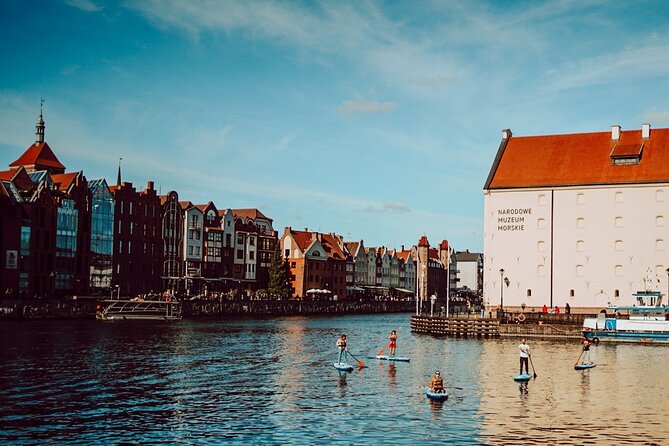
Gdańsk’s waterfront makes much more sense from a paddleboard. From the Motława, the medieval gates, working river, old ships, and brick warehouses sit at eye level, giving you a fresh view of the city’s trading past. I especially like the private format and the chance to see the Crane and Green Gate without joining a large boat cruise.
I also like that local guide Hania brings the city’s story into the outing, including details about Granary Island, Ołowianka, and the old fortifications. The main caution is simple: SUP requires decent balance and good weather, and the river setting may feel less relaxing if you are nervous on a board.
Key points before you book
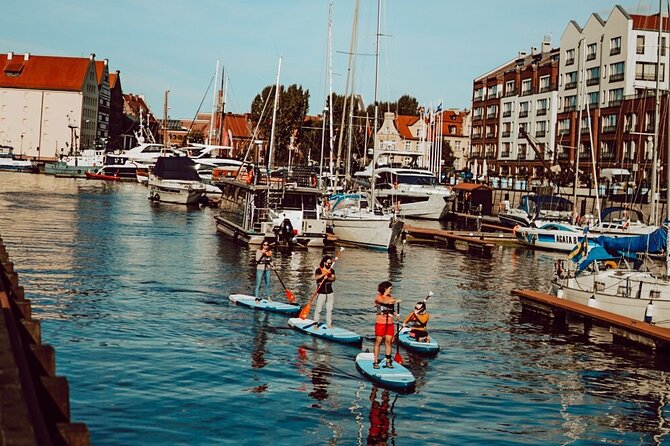
- Private route on the Motława River: Only your group takes part, so the pace and conversation can feel more personal.
- Hania guides with local insight: She is a native Gdańsk resident and shares stories about the city as you paddle.
- Ten waterfront sights in roughly two hours: The route includes the Crane, Green Gate, Granary Island, Ołowianka Island, SS Soldek, and old river defenses.
- Equipment is included: You receive a SUP board, paddle, leash, and life vest.
- A different view of Gdańsk: Water gates, bridges, ships, and historic buildings appear close from the river.
- Weather matters: Poor conditions can cancel the outing, with a new date or full refund offered.
Gdańsk’s old waterfront from a paddleboard
The Motława is the right setting for this kind of tour. Gdańsk grew as a Baltic port, and the river still runs beside the city’s most recognizable waterfront buildings. On foot, you see the facades from street level. On a SUP, you look back toward the quays, gates, bridges, and warehouses from the water that made the city wealthy.
That change in position is the real reason to book. The Crane, one of Gdańsk’s best-known symbols, is especially striking from the river. The Green Gate also takes on a different shape when viewed from the water, with its long waterfront facade and four-arched design.
This is not a high-speed sightseeing ride. The route lasts about 1 hour 40 minutes to 2 hours 30 minutes, depending on the conditions and pace. You paddle between historic sites, pause near important structures, and hear about what you are seeing. The private setup matters here. You are not trying to keep up with a large group, and you can ask questions about the city as you go.
The tour starts at Kamienna Grobla, 80-700 Gdańsk, and finishes at the same meeting point. It is near public transportation, which makes it reasonably easy to add to a day of sightseeing.
More Mangrove and River Paddles in the world:
- Paddleboarding and/or kayaking tour at sunrise in the lagoon of Bacalar
★ 5.0 · 309 reviews - Sunrise on Paddleboard with breakfast in the lagoon of 7 colors
★ 5.0 · 255 reviews - Haleiwa River Paddle Board Rental with Blue Planet Adventure Co.
★ 5.0 · 215 reviews
What the private format adds
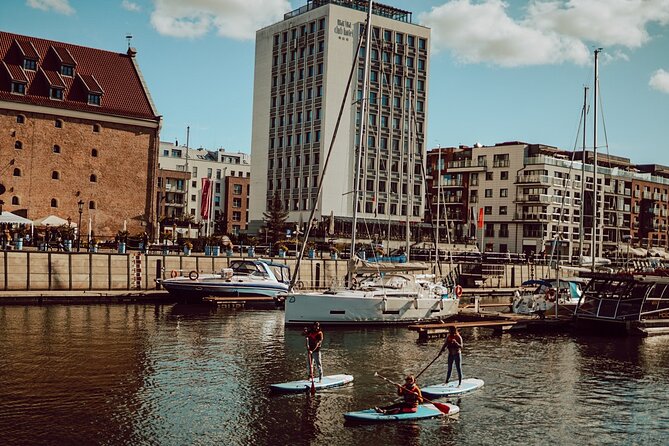
A private tour is useful on a river route with several points of interest. Instead of receiving a fixed speech aimed at a mixed group, you can focus on the subjects that interest you most. If you care about port history, old defenses, or the city’s modern waterfront, you can use the time more effectively.
Hania is a native Gdańsk guide, and that is one of the most appealing details of the outing. Her connection to the city helps link the landmarks together rather than treating each one as an isolated photo stop. You hear how the river, warehouses, gates, bridges, and ships fit into Gdańsk’s story.
The private arrangement can also make the practical side easier. A first-time paddler may need a little more instruction and encouragement. Someone already comfortable on a board may prefer to spend less time on basic technique. The supplied information does not promise a particular skill level or a tailored route, so you should still ask the guide about your needs when booking.
Getting comfortable on the SUP
You do not need to be an expert paddleboarder, but balance helps. One useful point from the available feedback is that SUP is generally easy to try and does not require special physical skills, though staying steady on the board matters.
The equipment package covers the essentials:
- SUP board
- Paddle
- Leash
- Life vest
Bring your own bottled water. Water is not included, and the tour takes place outdoors in warm-weather conditions. Wear clothing that can handle getting wet, even if you expect to remain mostly dry. The information provided does not specify changing rooms, lockers, or storage, so keep your personal belongings to a minimum.
The water setting brings an element of uncertainty. Wind, rain, or poor conditions can affect the outing, and the activity may be canceled for safety. If that happens, you can choose another date or receive a full refund. This is a fair policy for a water activity, but you should avoid placing it at the one moment in your trip when you have no flexibility.
Długie Pobrzeże and the Hanseatic waterfront
The first section follows the Motława embankment at Długie Pobrzeże. This waterfront is where Gdańsk’s old trading identity is easiest to grasp. The quay recalls the city’s place in the Hanseatic trading network, when merchants moved goods across northern Europe by ship.
From the river, you get a view that pedestrians cannot quite match. The historic waterfront rises directly from the bank, and the movement of the board gives you changing angles on the buildings. This first stop is a gentle introduction to the route and a chance to settle into the rhythm of paddling.
The listed stop lasts about 15 minutes. That is long enough to orient yourself and take in the riverfront, but it is not a full walking tour of Długie Pobrzeże. If you want detailed architectural study, plan separate time on land.
More Stand-Up Paddleboarding in the world:
- Ibiza: Beach Hopping Cruise w/ Paddleboard, Food, & Drinks
★ 4.5 · 3,224 reviews - Dolphin and Manatee Stand Up Paddleboard Tour in Daytona Beach
★ 5.0 · 2,328 reviews - Magnetic Island Discovery Tour with Snorkeling & Paddle Boarding
★ 5.0 · 1,372 reviews - Raccoon Island: Exploration on SUP/Kayak
★ 4.8 · 1,289 reviews
The Crane, Granary Island, and Gdańsk’s trading power
The Crane receives about 10 minutes on the route. This giant waterfront structure is one of the defining symbols of Gdańsk and a reminder of the city’s trading age. Its position beside the river makes it particularly well suited to a SUP tour. You see the building in the setting where it made practical sense, beside the water and ships.
Next comes Wyspa Spichrzów, or Granary Island. This is one of the most important historical sections of the trip. For centuries, the island held the stores of grain that helped make Gdańsk a major Baltic port. By 1643, it had 315 granaries, with storage capacity of up to 250,000 tons of grain, and could service more than 200 ships.
Those numbers help explain why this was more than a picturesque warehouse district. The island was central to the city’s wealth. Much of the area is now being returned to public use through large construction projects, so you see an unusual mix of old trading history and new development.
The stop lasts about 10 minutes. That gives you a useful introduction, though the full story of Granary Island deserves a longer walk if commercial history interests you.
Wartka Bridge and Ołowianka Island
The route continues to the Wartka Bridge, a footbridge opened in June 2017. It links the main town near the Hilton hotel with Ołowianka Island. From the river, the bridge is not simply a crossing point. It shows how the waterfront has been reconnected for modern city life.
The stop is brief, about five minutes, so expect a quick look rather than a long pause. The bridge also provides a change of scale after the larger historic buildings and warehouses.
Ołowianka Island gets its name from the Polish word ołów, meaning lead. Lead shipped upriver from Silesia was stored here during the Teutonic period. Later, the island’s warehouses were used as granaries. You can see examples beside the Philharmonic Hall and the Royal Granary.
The island is a good reminder that Gdańsk’s waterfront history was practical before it became scenic. Goods were stored, moved, and sold here. Today, the island also connects cultural buildings and public spaces, giving the river route a useful link between old industry and modern Gdańsk.
SS Soldek and the working river
The SS Soldek gets about five minutes. It was the first steamship built in Polish Gdańsk after 1945 and now serves as a living museum. Even a short view from the water gives you a sense of the river’s later industrial life.
This stop may appeal most if you enjoy ships and maritime history. It also breaks up the succession of gates and historic buildings. The Motława is not only a backdrop for old architecture. It remains a place where vessels and waterfront infrastructure shape the city’s character.
The short timing is the main limitation. You are seeing the ship from the route, not taking a full museum visit. If SS Soldek is a priority, allow time to return on foot and explore it separately.
Mariacka Gate, Green Gate, and Cow Gate
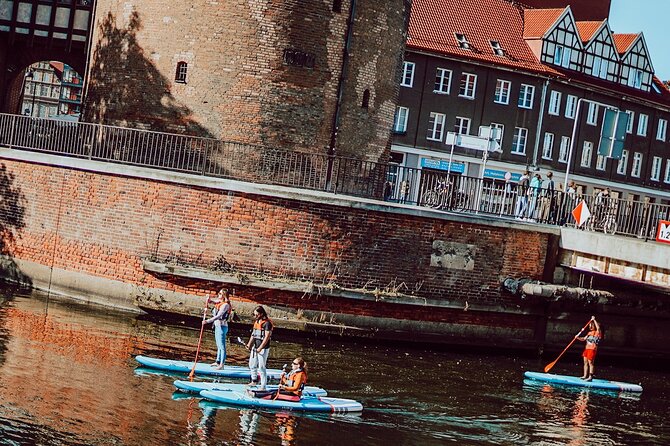
Brama Mariacka, or St. Mary’s Gate, is a shadowy Gothic entrance leading toward one of Gdańsk’s most attractive streets. From the water, you see the gate as part of the chain of riverside entrances that once connected the city to its port.
The stop lasts roughly five minutes. That is enough for a view and a short explanation, but not enough to walk through and explore the street beyond. You will want to visit this area on foot later, especially if you like detailed stonework and narrow historic streets.
The Green Gate receives another five minutes. This four-arched gatehouse was built as a palace for Polish monarchs. Despite its name and purpose, no Polish king ever stayed there. Lech Wałęsa later had an office in the building before moving to the European Solidarity Centre.
That contrast gives the Green Gate extra interest. It links royal ambition with modern Polish political history, all on the edge of the river. The building is also one of the route’s strongest photo subjects because its waterfront position is so clear from a board.
Brama Krowia, or Cow Gate, is set at the Motława end of Ogarna Street. Its name likely comes from the road used to drive cattle. The stop takes about five minutes, and it adds a small, earthy detail to the larger story of commerce, power, and shipping.
The old Motława fortifications
The final major sight is the Motława channel fortification. Gdańsk was once surrounded by a bastion fort, and a stone lock in the Motława could be used to flood the area around the city. What remains gives you a glimpse of the defensive system that protected the port.
This is a worthwhile finish because it moves beyond the familiar postcard sights. You are not just looking at gates and attractive facades. You are seeing how the city controlled access to its river and used water as part of its defenses.
The stop is listed at about 10 minutes. The remains may be less immediately impressive than the Crane or Green Gate, but the explanation helps put Gdańsk’s waterfront into a larger military and civic context.
Is the $50.85 price fair?
At $50.85 per person, this is not the cheapest way to see Gdańsk. You can walk along the Motława for free, and standard boat rides may cost less. The value comes from combining several things in one outing: a private guide, SUP equipment, a small-group setting limited to your party, and a route that reaches many of the city’s key waterfront sights.
For two people or a small group, the price is easier to justify because the private format gives you direct time with the guide. You are paying for an activity as well as sightseeing. The paddleboard changes the experience from simply looking at the river to using it as your route through the city.
The value is weaker if you mainly want an in-depth visit inside the Crane, SS Soldek, or the historic gates. This tour views those places from the water, and the pauses are short. You may need a separate walking plan for museums, interiors, and longer architectural visits.
Who will enjoy this Motława tour most?
I would choose this for a visitor who wants an active way to see central Gdańsk and likes history in small, practical pieces. It suits couples, families, and friends who want a private outing rather than a standard group cruise.
It is also a good choice if you have already walked the main streets and want a second angle on the city. The water view is not a replacement for exploring on foot. It is a useful companion to it.
You should think twice if you dislike balancing activities, do not want to risk getting wet, or have a tightly packed schedule with no room for weather changes. The exact duration can range from about 1 hour 40 minutes to 2 hours 30 minutes, so leave some space before your next reservation.
The activity is described as suitable for most people, but that does not remove the need for basic caution on a board. If you have concerns about balance or physical comfort, contact the provider before booking.
Booking, cancellation, and timing advice
Departure times are available as a choice, which helps you fit the tour around museums, meals, and walking time. The meeting point is Kamienna Grobla, and the route returns there at the end.
You receive booking confirmation at the time of reservation. Free cancellation is available up to 24 hours before the start time for a full refund. Changes or cancellations inside that 24-hour window are not accepted for a refund.
Because the activity needs suitable weather and a minimum number of participants, the provider can cancel it in some cases. You would then be offered another date or experience, or a full refund. I would book it early enough in your stay to leave room for a weather-related change.
Should you book it?
Book this SUP tour if you want Gdańsk’s waterfront history with movement, close-up views, and a private guide. Hania’s local connection, the included gear, and the route through the Crane, Granary Island, Ołowianka, SS Soldek, the gates, and old defenses make it more than a simple paddle.
Skip it if you want long visits inside museums or a guaranteed schedule in all weather. For the right person, though, this is a memorable way to understand why Gdańsk grew around the Motława. Bring water, allow extra time, and be ready to use your balance as well as your camera.
FAQ
Where does the SUP tour start and finish?
The tour starts at Kamienna Grobla, 80-700 Gdańsk, Poland, and ends back at the same meeting point.
How long does the activity take?
The approximate duration is between 1 hour 40 minutes and 2 hours 30 minutes.
What equipment is included?
The tour includes a SUP board, paddle, leash, and life vest.
Is the tour private?
Yes. Only your group participates in this private activity.
Is the tour offered in English?
Yes. The activity is offered in English.
What happens if the weather is poor?
The activity requires good weather. If it is canceled because of poor conditions, you can choose a different date or receive a full refund.
More Private Surf Lessons in the world
- Playa de las Américas: Private or Small-Group Surf Lesson
★ 4.8 · 980 reviews - Kuta/Bali: Private Beginner & Intermediate Surf Lessons
★ 4.9 · 563 reviews - Private Hanalei Sandy Bottom Surf Lesson on Kauai
★ 5.0 · 339 reviews - Waikiki Private Group Surf Lesson
★ 5.0 · 298 reviews
Just added around the world
- Surfing Lesson in Santa Barbara (2 Hours)★ 5.0 · 10 reviews
- Private Windsurf Experience in Puerto Rico★ 5.0 · 7 reviews
- San Juan Surfing Lessons: Ride the Waves in Puerto Rico★ 5.0 · 30 reviews
- Surf the Basque Country Day trip – Private experience★ 5.0 · 5 reviews
- Private Surf Lesson in Morro Bay★ 5.0 · 42 reviews
- Sunrise SUP tour & breakfast – Private stand up paddle boarding experience★ 5.0 · 20 reviews
- San Juan | Paddleboard | Kayak | Snorkeling | Guided Tours★ 4.5 · 4 reviews
- 120 Min Surf Lesson / Great for All Levels★ 5.0 · 8 reviews
Mangrove & River Paddling, compared.
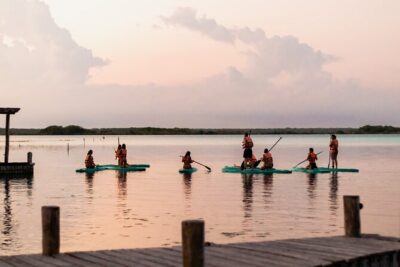
Paddleboarding and/or kayaking tour at sunrise in the lagoon of Bacalar
Read our review →
Sunrise on Paddleboard with breakfast in the lagoon of 7 colors
Read our review →
Haleiwa River Paddle Board Rental with Blue Planet Adventure Co.
Read our review →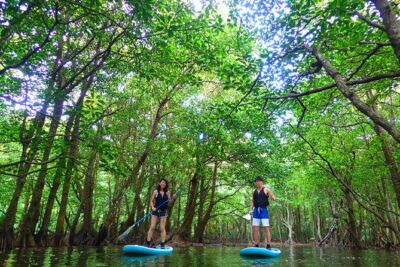
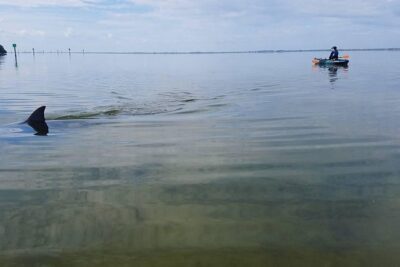
Wildlife Refuge Manatee, Dolphin & Mangrove Kayak or Paddleboarding Tour!
Read our review →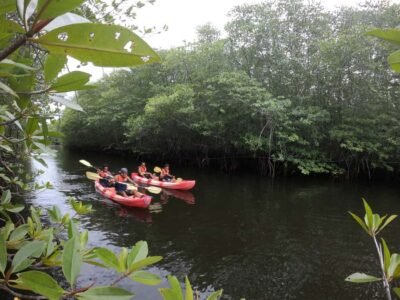
From Lembongan: Kayak/Paddleboard/Boat Mangrove Tour
Read our review →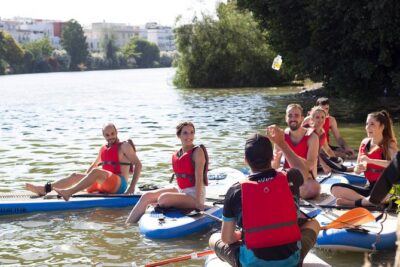
Seville Paddle Surf Sup in the Guadalquivir River
Read our review →
Browse the lists this tour appears in