
Review · SYDNEY
Bondi Beach: 2-Hour Surf Lesson Experience for Any Level
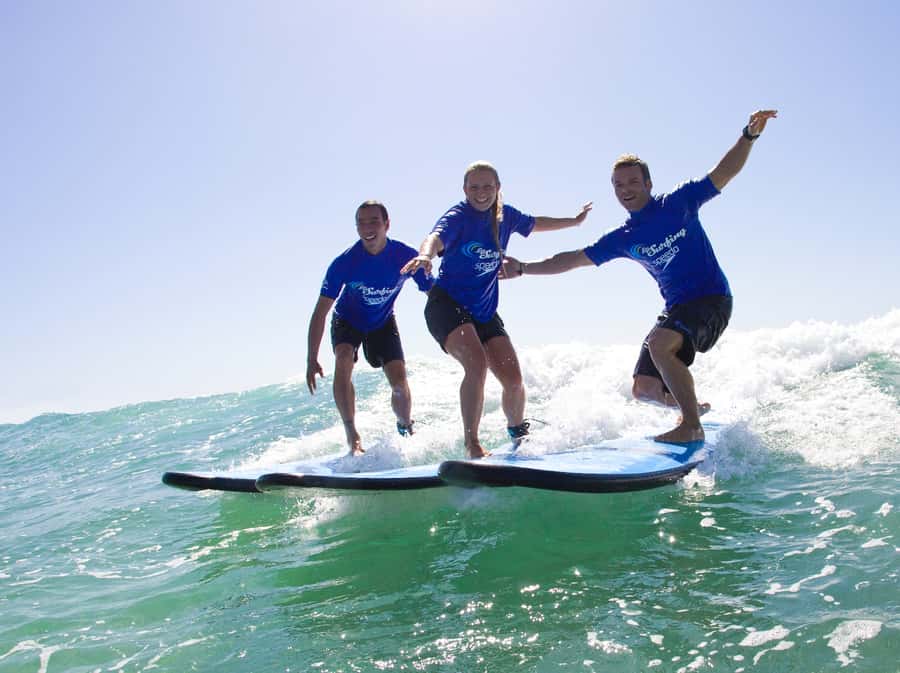
Bondi Beach is one of the few places where your first surf lesson comes with a ready-made sense of occasion. You get a famous Australian beach, a soft board, and two hours to learn the basics without needing to arrive as an athlete. Instructors such as Jessie, Luke, Matt, and Marcus focus on simple technique, safety, and steady encouragement.
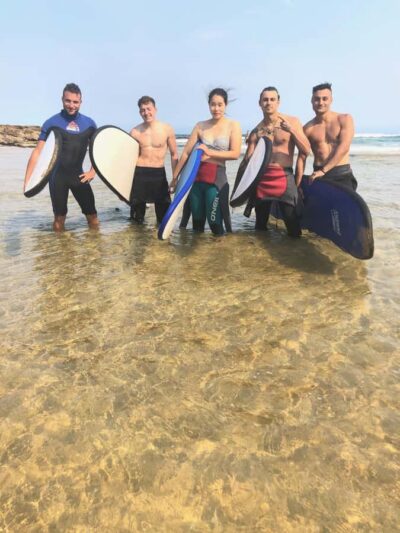
I like the maximum group size of five, which gives you real time with an instructor rather than a quick demonstration from shore. I also like that the lesson includes wetsuits, rash vests, sunscreen, zinc, changing rooms, and secure storage, so you need to bring only swimwear and a towel.
The main consideration is the ocean itself. Wave conditions and tides can change during your lesson. Some sessions have gentle, ideal beginner waves, while others may finish with weaker surf or a crowded beach. That is part of learning to read the sea, but it means nobody can promise perfect rides.
Key points at a glance
- Small groups of five or fewer: You get repeated chances for individual coaching and feedback.
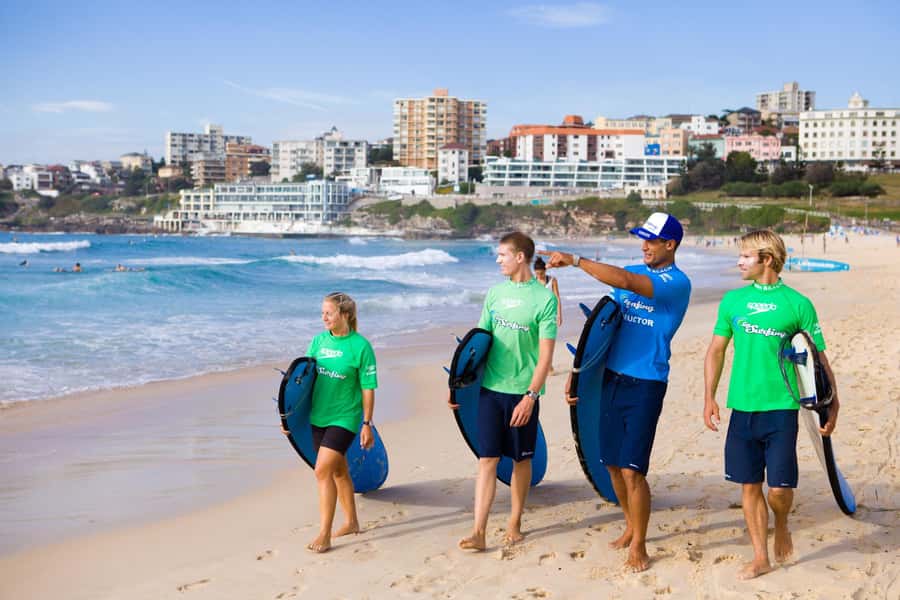
- A real Bondi introduction: The lesson combines beach safety, surf theory, sand practice, and time in the water.
- Equipment is supplied: Soft surfboard, warm wetsuit, UV rash vest, sunscreen, zinc, showers, changing rooms, and secure storage are included.
- Built for first-timers: Instructors explain how to handle the board, read waves, spot rip currents, and get safely into the surf.
- Some students stand quickly: Several sessions have seen beginners stand within the first half hour, though your result depends on conditions and timing.
- Good for nervous beginners: The teaching style is patient and low-pressure, with room to ask for close help or try more independently.
Why Bondi works for a first surf lesson
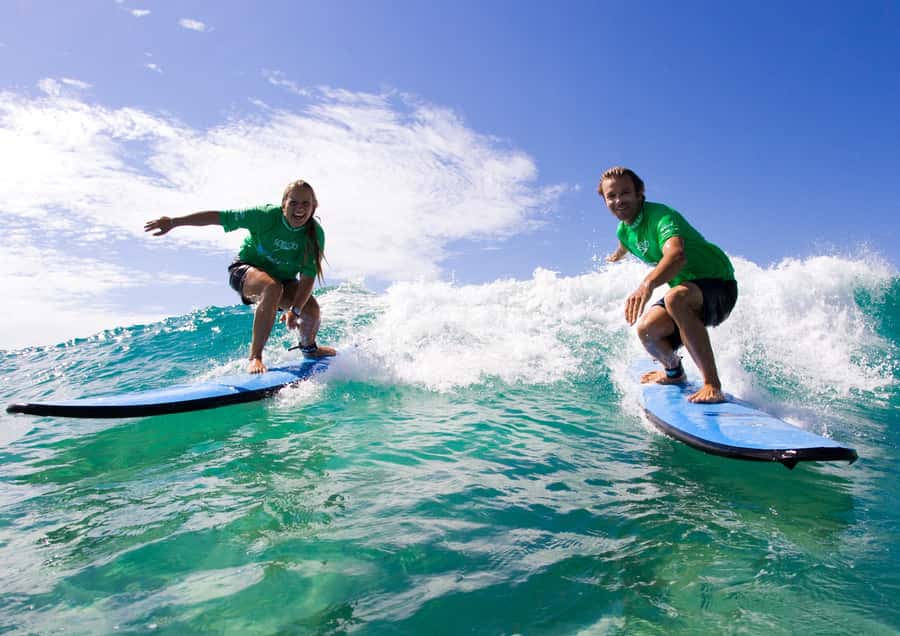
Surfing can look harder than it feels from the sand. The first task is not to carve a perfect turn. It is to learn how the board moves, how a wave lifts it, and how to get from lying down to standing without losing balance.
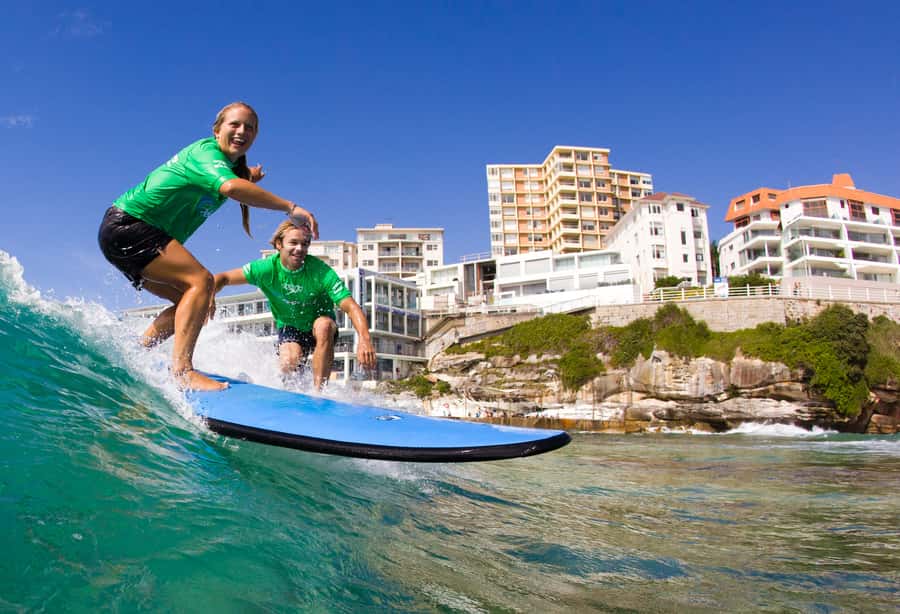
Bondi gives the lesson a memorable setting, but the beach is not just a photo backdrop. It is a working classroom. Your instructor can point out wave shape, shallow water, rip currents, and the parts of the beach that matter for safety. You leave with more than a few attempts at standing. You begin to understand how to behave in the ocean.
That safety focus appears early. Expect an explanation of rip currents, what to do if one catches you, and how to assess the conditions before paddling out. You also learn basic surf terms and the different parts of the board. This may sound like classroom time when you are eager to get wet, but it makes the water session calmer and more useful.
Bondi is famous and can become crowded, especially later in the day. One useful tip is to book an earlier time if you can. Earlier sessions may give you more open water before beach traffic builds, although the best lesson time still depends on the day’s waves and tide.
More Surf Lessons in Australia
- Byron Bay: 2-Hour Small Group Surf Lesson
★ 4.8 · 657 reviews - Learn to Surf at Noosa on the Sunshine Coast
★ 5.0 · 277 reviews - Surfing Lessons on Sydney’s Bondi Beach
★ 5.0 · 267 reviews
Arriving at 128 Ramsgate Avenue
The meeting point is Let’s Go Surfing at 128 Ramsgate Avenue, Bondi Beach 2026, New South Wales. If you are facing the water, the meeting point is on the left-hand side of the beach.
Arrive 20 minutes before the start. That extra time matters because you need to check in, change, collect equipment, and be ready for the lesson rather than arriving as the group heads toward the sand.
Bring swimwear and a towel. The school supplies the rest of the main kit: a soft surfboard, warm wetsuit, UV rash vest, sunscreen, and zinc. You also have access to changing rooms, secure storage for personal belongings, and an outdoor shower.
The practical setup keeps the $70 price from creeping upward through small rental charges. You do not need to arrange a separate board or wetsuit hire for this class. You should still plan for your own transport, swimwear, and towel, since those are not included.
The minimum age is 12. Children under 12 cannot join, and the lesson is not suitable for pregnant women. You also cannot take part while intoxicated. The instruction is in English, so you should be comfortable following spoken safety directions in English.
The first 20 minutes: safety before surfing
The lesson begins on the beach with a safety briefing. This is when you learn what a rip current looks like, what to do if you are caught in one, and how to stay calm in the water.
I consider this one of the most valuable parts of the class. A first-time surfer can spend too much energy worrying about falling off the board. Clear safety instructions replace some of that uncertainty with a plan. You are not simply told to follow the instructor. You learn why certain areas are safer and how to respond if the water carries you away from the breaking waves.
You also get an introduction to surf vocabulary and the board. You learn where to lie, how to position your body, and what your hands and feet need to do when a wave begins to carry you. The language is practical, not academic. You need enough information to act safely and repeat the movement once you are wet.
Do not be surprised if your instructor spends time checking that everyone understands before moving on. The teaching team includes fully qualified local and international instructors, and the lesson is designed for mixed beginner groups. Some people may never have surfed, while others may be refreshing a basic skill. The instructor can adjust the amount of help each person receives.
Sand practice turns theory into muscle memory
Before entering the water, you practice the movement on the beach. This is where you rehearse the transition from lying on the board to standing in a stable position.
The sand gives you a forgiving place to repeat the steps. Your instructor can watch your hands, feet, and timing without the distraction of waves. That preparation matters because surfing leaves little spare attention for remembering instructions once the board starts moving.
A good instructor will also help you manage expectations. The aim is not to rush into a difficult maneuver. It is to build a repeatable first motion and then use small waves to improve it. One particularly useful teaching point from the sessions is that you do not need to hurry your progress. That low-pressure approach helps if you are nervous about being the least skilled person in the group.
The class often works well for friends, couples, siblings, and families with teenagers because you share the early learning curve. It can also suit a solo visitor. With no more than five people, you are not lost in a large crowd, and the group tends to cycle through attempts while everyone learns from the feedback.
Same coast, a different way into the water:
- Magnetic Island Discovery Tour with Snorkeling & Paddle Boarding
★ 5.0 · 1,372 reviews - Noosa Heads: 2 Hour Surf Experience on the Sunshine Coast
★ 4.9 · 644 reviews - Byron Stand Up Paddle Nature Tour
★ 5.0 · 384 reviews - Behind The Bay – Explore Like a Local: Waterfalls/paddleboarding
★ 5.0 · 275 reviews
Two hours in the water, with time to try again
After the beach practice, you move into the water with your instructor. The soft board is a sensible choice for beginners because it is designed for basic learning rather than high-performance surfing. Your instructor helps you position the board, choose a wave, and time your attempt.
Expect a cycle of trying, falling, listening, and trying again. The best part of the small group is that feedback comes quickly. Instructors watch each ride, then point out a specific adjustment, such as where to place your hands or how to rise without shifting your weight too far forward.
Several instructors are praised for staying alongside the group and giving advice throughout the session. Marcus, Luke, Matt, Tyler, Tom, Max, Brontë, and others are described as patient, clear, and encouraging. The names may vary with the schedule, but the useful pattern is consistent: you should expect active instruction rather than a board rental with a short introduction.
Some beginners manage to stand within 30 minutes. Others are still working on balance near the end. Both outcomes are normal. Your success depends on your coordination, comfort in the water, wave conditions, and how quickly the movement becomes natural.
You may get a chance to try a few waves with more independence later in the session. That is useful because a good beginner class should not leave you dependent on someone pushing your board forever. You receive guidance first, then begin reading the wave and making your own attempt.
What the conditions can change
The biggest variable is the surf. On one day, small waves can be perfect for learning. On another, the waves may be flat, the tide may rise, or the water may become more difficult to work with during the final 30 minutes.
Do not treat smaller surf as a failed lesson. Gentle waves can give beginners more time to set their feet and learn balance. One session with low waves was still considered a good first experience because the instructor used the conditions to explain technique and give personal advice.
At the same time, you should keep your expectations realistic. A two-hour class cannot control the tide or create waves. You may catch several rides, stand up, or finish with a better understanding of how to practice. You may also spend part of the session falling before the movement clicks.
Weather can shift too. Rain does not automatically ruin the experience, especially if the surf remains suitable for beginners. You are already wearing a wetsuit and entering the water, so the important issue is the ocean condition and the quality of instruction rather than a perfect blue-sky photograph.
The instructors make the difference
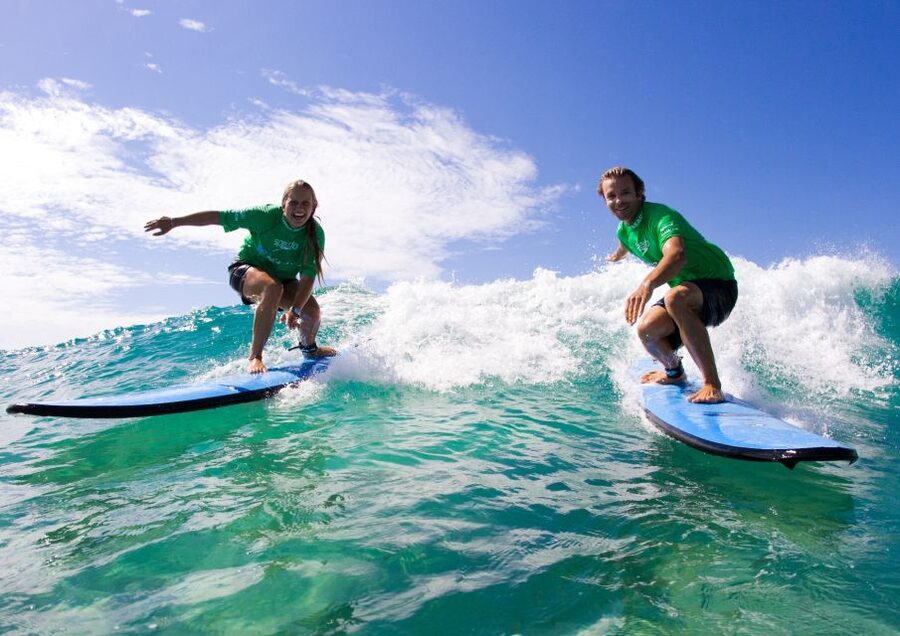
The strongest part of this activity is the teaching. A surf lesson is only as useful as the person watching your attempts, and the instructors here are repeatedly described as friendly, patient, and clear.
The best feedback is specific. Instead of simply telling you to try again, an instructor may explain how to place your hands, when to move your feet, or how to keep your weight balanced. Some instructors are more hands-on, while others let you attempt the wave with advice from nearby. That flexibility suits different learning styles.
If you feel nervous, say so. The lesson is built for beginners, and the instructors aim to create a low-pressure setting where trying matters more than looking polished. If you already have a little experience, you can ask for help refining your basic technique rather than repeating the very first explanation.
Personal attention also helps with safety. Your instructor is not just teaching you to stand. The team watches the group, guides you toward appropriate waves, and reinforces what to do in the ocean. That combination is a better use of your first two hours than trying to teach yourself from a beach towel.
Is $70 good value?
At $70 per person, this is a fair price for a two-hour introduction, especially because the main equipment and facilities are included. You receive a soft board, warm wetsuit, UV rash vest, sunscreen, zinc, changing rooms, secure belongings storage, and an outdoor shower.
The small group improves the value. A cheaper lesson with a large group might leave you waiting longer between attempts and receiving less personal correction. With a maximum of five participants, you have a reasonable chance to ask questions, get your turn, and hear feedback linked to your own technique.
The price does not guarantee that you will surf independently afterward. It buys structured instruction, safety information, equipment, and time in the water. Think of it as a first step rather than a complete surfing course.
If you enjoy the lesson, you may want more days to build consistency. Several sessions have encouraged beginners to continue, and that makes sense. Standing once is exciting, but repeating the process is what turns a lucky ride into a useful skill.
Who should book this lesson?
Book it if surfing is on your Bondi or Sydney wish list and you want a guided first attempt. It is especially good for adults and children aged 12 or older who are comfortable following English instructions and are willing to fall a few times.
It suits nervous beginners because safety comes first and the instructors keep the mood friendly. It also works for mixed groups, since people with a little prior experience can receive technique tips while complete beginners learn the basic movement.
You may want to reconsider if you need guaranteed waves, dislike changing conditions, or expect a polished surf performance after one class. The ocean sets the schedule. You may finish tired, wet, and pleased with one short ride rather than looking like a professional surfer.
Bring swimwear and a towel, arrive 20 minutes early, and choose an earlier time if you want the best chance of avoiding a more crowded beach. You can cancel for a full refund up to 24 hours before the lesson, and the reserve-now, pay-later option keeps your plans flexible.
Should you book the Bondi surf lesson?
I would book this if you want a practical, well-supported introduction to surfing in an iconic setting. The small group and patient instruction are more important than the Bondi name, and they give you a fair chance to learn instead of simply posing with a board.
Book it with realistic goals: learn ocean safety, catch a few small waves, and perhaps stand up. If the conditions cooperate, you may do more. If they do not, you still receive a useful first lesson and a better sense of how surfing works. For $70, that is solid value for a two-hour activity that combines equipment, coaching, and a memorable taste of beach life in New South Wales.
FAQ
Where does the surf lesson meet?
Meet the Let’s Go Surfing team at 128 Ramsgate Avenue, Bondi Beach 2026, New South Wales. If you are looking toward the water, the meeting point is on the left-hand side of the beach.
How long is the lesson?
The lesson lasts two hours. Starting times vary, so check availability when booking.
What is the maximum group size?
The group is limited to five participants, allowing for individual tips and repeated practice.
What equipment is included?
The activity includes a soft surfboard, warm wetsuit, UV rash vest, sunscreen, zinc, changing rooms, secure storage for personal belongings, and an outdoor shower.
What should I bring?
Bring swimwear and a towel. These are not provided.
What is the minimum age?
The minimum age is 12. Children under 12 cannot take part.
Is the lesson taught in English?
Yes. The instruction is in English.
Can I cancel the booking?
You can cancel up to 24 hours before the lesson for a full refund. You can also reserve now and pay later.
More 2-Hour Experiences in Australia
- 2 Hour Ultimate Learn to Surf Adventure
★ 5.0 · 235 reviews - Broadbeach: 2 Hour Surf Experience on the Gold Coast
★ 4.9 · 225 reviews - Merrick’s Noosa Learn to Surf: 2 Hour group surfing lesson
★ 5.0 · 222 reviews - Noosa Heads – 2-Hour Surf Lesson with Expert Instructors
★ 4.8 · 151 reviews
Just added around Australia
- Rainbow Beach: Surf Lesson Safari & Beach 4WD Double Island Point★ 5.0 · 12 reviews
- Stand Up Paddle Boarding – 2 Person Lesson – 1 Hour★ 5.0 · 12 reviews
- Stand Up Paddle Board Hire★ 4.5 · 9 reviews
- Noosa: Epic Stand Up Paddle Wildlife & Beach 4X4 Adventure★ 5.0 · 13 reviews
- Noosa Stand Up Paddle Group Lesson★ 5.0 · 19 reviews
- Golden Beach 1-Hour Stand-Up Paddleboard Hire on the Sunshine Coast★ 5.0 · 41 reviews
- Epic Surf Safari Beach 4WD Day Tour -Noosa to Double Island Point★ 5.0 · 34 reviews
- Private Surf Coaching Session in New South Wales★ 5.0 · 3 reviews
Sydney Surf Trips, compared.


Full Day Learn to Surf Adventure – Incl BBQ Lunch
Read our review →
Browse the lists this tour appears in