
Review · NEW ZEALAND
Auckland: Group Surfing Lesson with Muriwai Surf School
Muriwai Beach gives you a real west-coast surf setting, not a tame pool with painted waves. In two hours, you learn the equipment, practice the movement needed to stand, review water safety, then try to catch waves with an instructor close by. Jacob has been especially praised for clear explanations and patient help with first-time surfers.
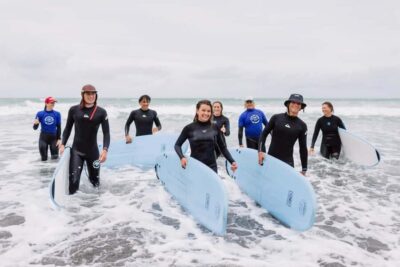
I like the small group limit of 10, which gives your instructor a fair chance to offer tips instead of waving from shore. I also like that the $41 price includes both a surfboard and wetsuit, so you are paying for instruction and the essential gear in one simple package. The main drawback is that you must arrange your own transport to Muriwai, about 40 minutes from Auckland City, and the lesson is not suitable for non-swimmers or children under nine.
Key points to know before you book
- Muriwai Beach is only about 40 minutes from Auckland City, but transportation is not included.
- The two-hour lesson covers the full beginner sequence, from equipment and standing technique to water safety and guided wave attempts.
- Your board and wetsuit are included, which makes the $41 price easy to understand.
- Groups are limited to 10 people, with encouragement, feedback, and help choosing waves.
- Jacob has received strong praise for patient instruction, especially from people who had never surfed before.
- You need to be a swimmer, arrive 15 minutes early, and bring swimwear, a towel, sunscreen, and water.
Why Muriwai is a good place to try surfing
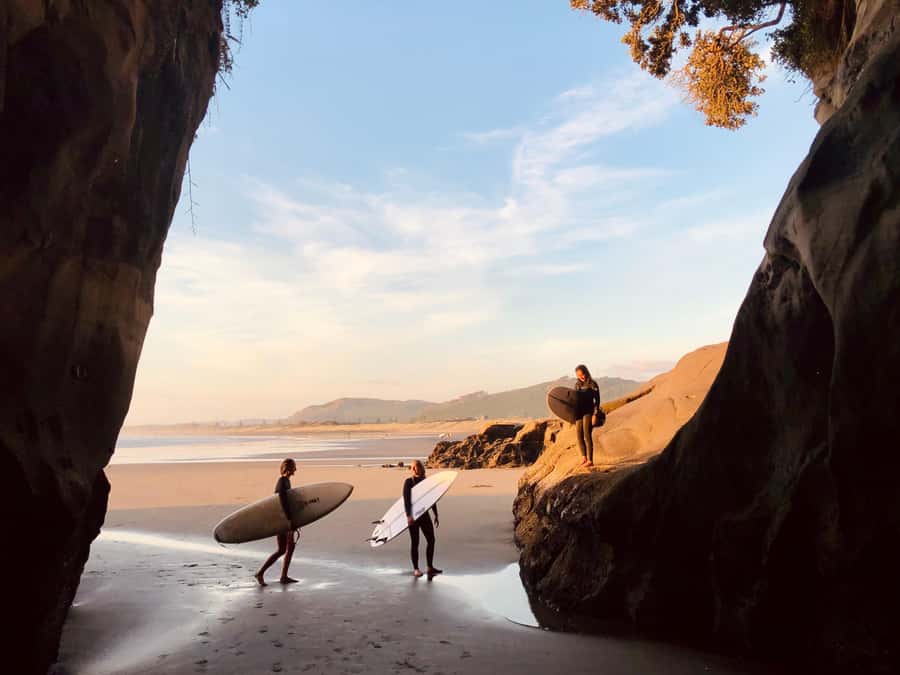
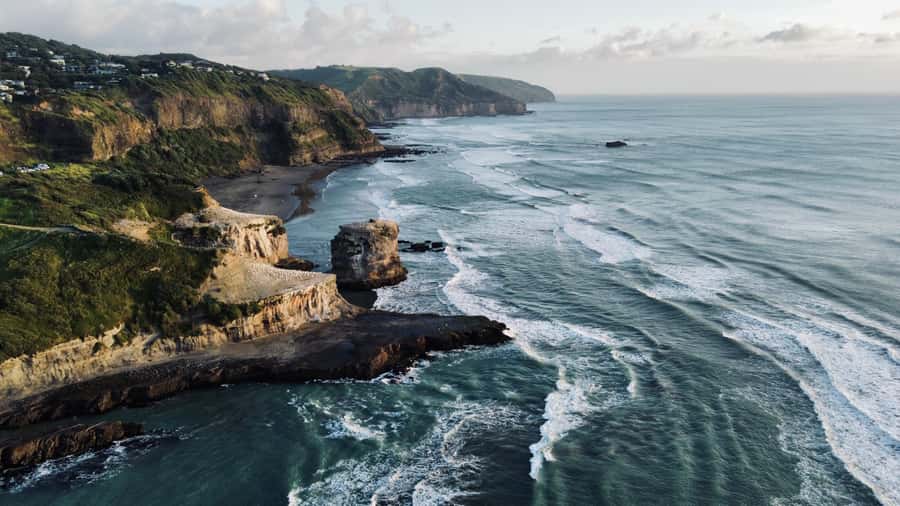
Muriwai sits on Auckland’s west coast, a short drive from the city but far enough away to feel like a proper beach outing. The appeal is simple: you get open sand, ocean waves, and a lesson built around learning by doing.
That setting matters. Surfing makes more sense when you can see the waves, check the water, and understand where you will be riding before you pick up speed. The instructor begins on land, then takes you down to assess the conditions and explains how to enter the water safely.
You should not expect a quiet, perfectly predictable ride every time. Ocean conditions change, and part of your first lesson is learning how to work with them. That can make the experience exciting, but it also means your success may depend on the day, your balance, and how quickly your body understands the movement.
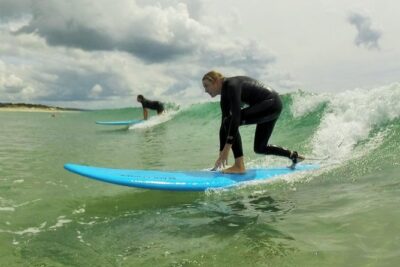
Muriwai is a useful choice if you want a genuine introduction rather than a short photo stop. You will not master surfing in two hours, but you can learn the basic pattern: lie on the board, prepare your hands and feet, push up, find your balance, and stay with the wave.
More Surf Lessons in New Zealand:
- 2 Hour Surf Lesson – Te Arai Beach
★ 5.0 · 119 reviews - Raglan: Group Surf Lesson
★ 5.0 · 79 reviews - Mount Maunganui: Group Beginner Surf Lesson
★ 5.0 · 16 reviews
The first 15 minutes: arrive ready, not rushed
Plan to arrive 15 minutes before the lesson. That extra time is for getting prepared, sorting your equipment, and being ready when the teaching begins rather than losing part of the two-hour session.
Bring swimwear, a towel, sunscreen, and water. You do not need to bring a board or wetsuit because both are provided, which is one of the better features of this lesson for a first-time surfer.
A wetsuit is more than a comfort item. It helps you stay warm while you spend time in the water, and it means you do not need to buy or rent gear separately. The board is also supplied, so you can focus on technique instead of wondering which equipment to choose.
Tell the instructor about any medical conditions before entering the water. Smoking, alcohol, and drugs are not allowed, sensible rules for an activity where you need clear judgment and steady movement.
The lesson is taught in English. If you need detailed instruction in another language, this may not be the right fit, since English is the stated teaching language.
Learning the board before meeting the waves
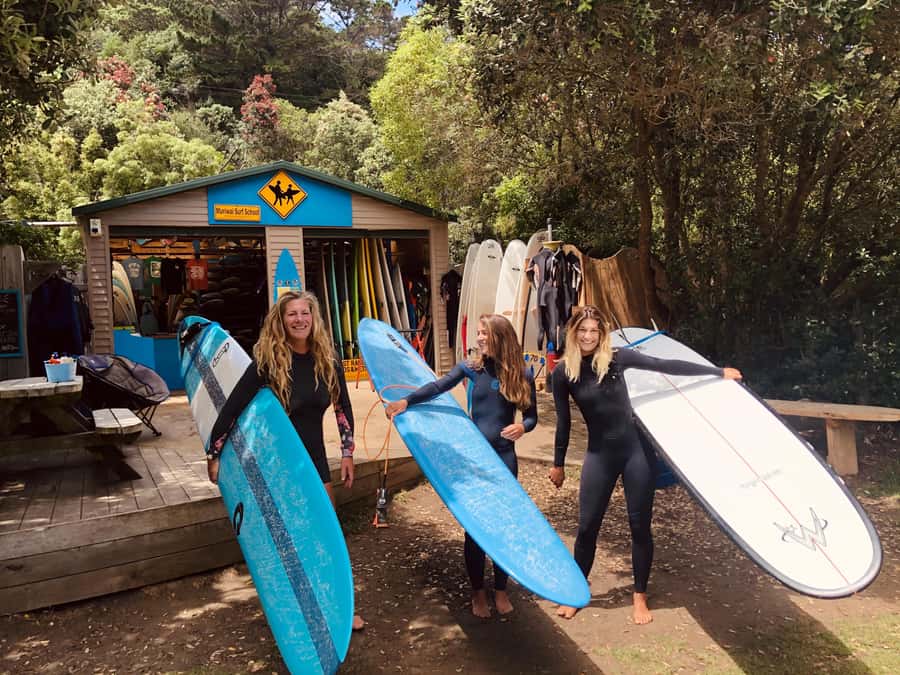
The lesson starts with an introduction to the equipment and the basic steps for standing on the board. This land-based practice is valuable because it lets you think through the movement before the board begins shifting beneath you.
Your instructor shows you the correct technique and gives you a chance to understand where your hands, feet, and body should go. That may sound basic, but beginners often lose balance because they try to stand too quickly or place their feet without a clear plan.
The instructor’s job here is not only to demonstrate. You receive corrections, encouragement, and support throughout the lesson. Jacob has been praised for explaining things clearly and helping someone who had never surfed before, which is exactly the kind of calm guidance you want at this stage.
You should expect to repeat the movement several times. Surfing has a physical rhythm that is difficult to understand from words alone. One useful comment from the experience captures the reality well: someone can show you how, but you still need to work out the feeling of it yourself.
That is not a flaw in the lesson. It is simply the nature of surfing. A good instructor can shorten the learning curve, point out mistakes, and help you recognize the right moment, but balance still has to become your own skill.
Checking the waves and learning water safety
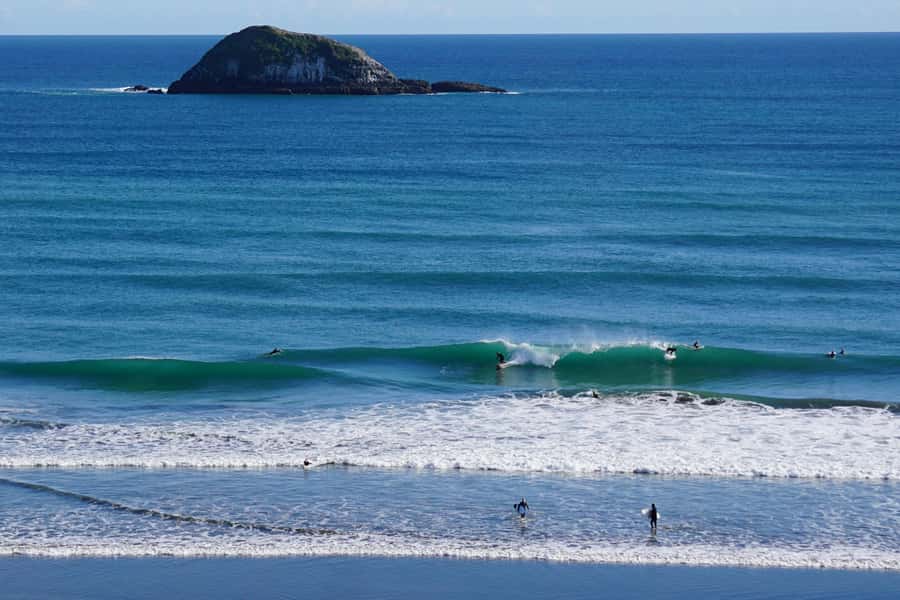
After the basic instruction, you head down to look at the waves. Before anyone starts chasing a ride, the instructor covers how to enter the water safely and what to watch for.
This part deserves your full attention. Beginners often focus so hard on standing that they forget the practical side of the sea. Knowing where and how to get in, how to handle the board, and how to move with care gives you a better chance of enjoying the water without creating problems for yourself or others.
The exact wave conditions are not guaranteed, and the lesson is not described as a private session. You may need to wait for a suitable wave, watch the timing, and listen carefully when the instructor tells you where to go.
The small-group format helps here. With no more than 10 people, the instructor can offer direction as you prepare. It is not the same as one-to-one coaching, but it should feel more useful than a large class where you spend most of the time waiting.
One earlier group had five people, a size that allowed the instructor to give plenty of attention. You should not assume every session will have five participants, but the limit of 10 keeps the class from becoming unwieldy.
A few more sessions around New Zealand worth a look
- Day Cruise & Island Tour – Snorkel/Wildlife/Paddleboard/Islands
★ 5.0 · 121 reviews - Queenstown: White Water Surfing Along the Kawarau River
★ 4.6 · 30 reviews - Queenstown: Kayaking or SUP Experience on Moke Lake
★ 4.7 · 23 reviews - Beginner Surf Lesson at Te Arai Beach
★ 5.0 · 6 reviews
Your first attempts in the water
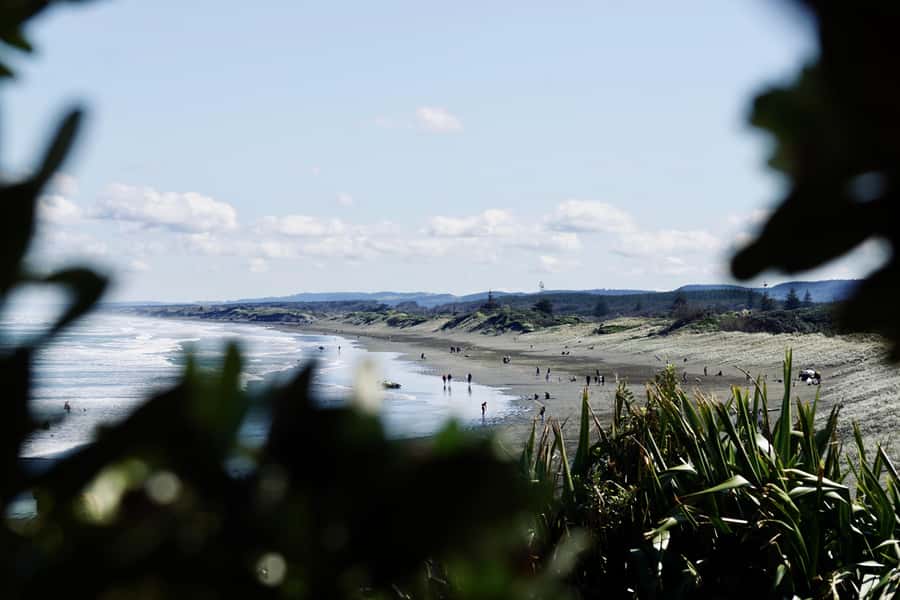
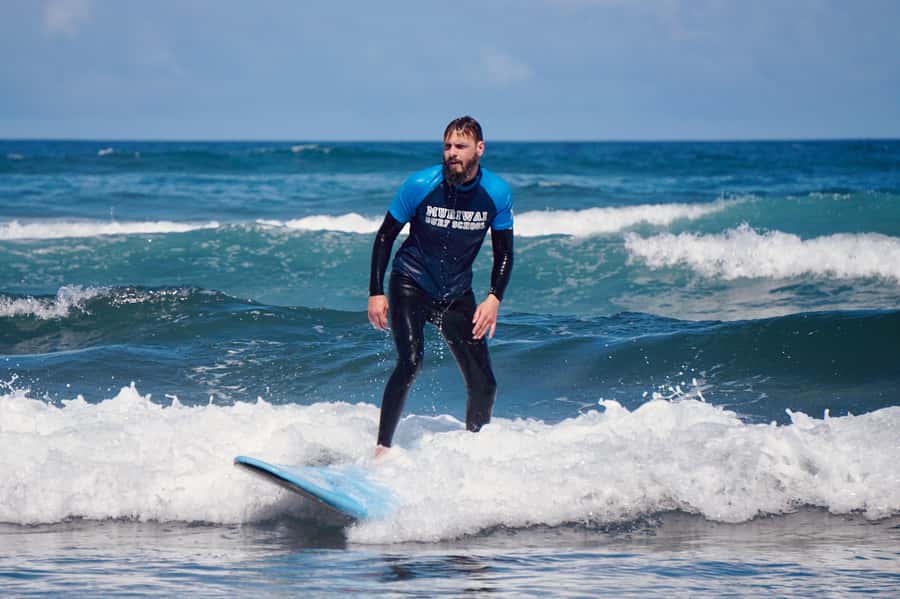
Once you are in the water, the instructor helps you select and catch waves. This is where the lesson shifts from practice to problem solving. You need to judge the right moment, position the board, paddle or move as instructed, and then attempt the stand.
The instructor gives feedback and tips as you go. You may be told to adjust your position, change your timing, or keep your weight centered. You can also expect encouragement when you get a ride, even if that ride is short.
The description of the experience promises enthusiastic support when you make it all the way to the beach. That kind of response matters more than it may sound. A first successful ride can be over quickly, and having the instructor notice it helps you understand that you did something right.
Do not measure the session only by how long you remain standing. A useful first lesson can also teach you how to fall safely, how to reset the board, and how to recognize a rideable wave. Some people may stand quickly, while others may spend the whole session building the movement one part at a time.
The instructor can help you catch waves, but the experience still asks you to take part. You will need to listen, try, adjust, and try again. If you want a passive activity where the guide does most of the work, this is not it.
What the $41 price really includes
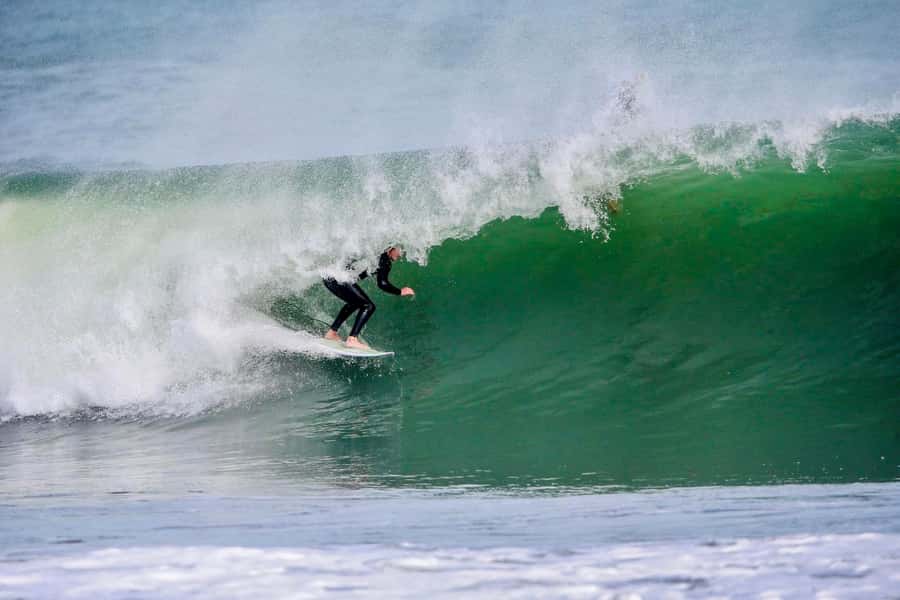
At $41 per person, the lesson offers solid value for a beginner because the cost includes two hours of instruction, a surfboard, a wetsuit, and a qualified instructor. You are not paying just for access to the beach or a short demonstration.
The included gear is especially useful if you are visiting Auckland and do not want to carry surfing equipment around New Zealand. Buying or arranging separate board and wetsuit hire would add time and expense, while this package keeps the essentials together.
The price does not include transport, food, drinks, or personal expenses. Since Muriwai is about 40 minutes from Auckland City, you need to budget for getting there and back. If you are staying in the city without a car, check your transport options before booking rather than treating the $41 as the complete cost of the outing.
The two-hour duration also gives the price some weight. You get time for preparation, technique, safety instruction, and water practice. It is a focused lesson, not a rushed tryout squeezed into a few minutes.
Who will get the most from this lesson
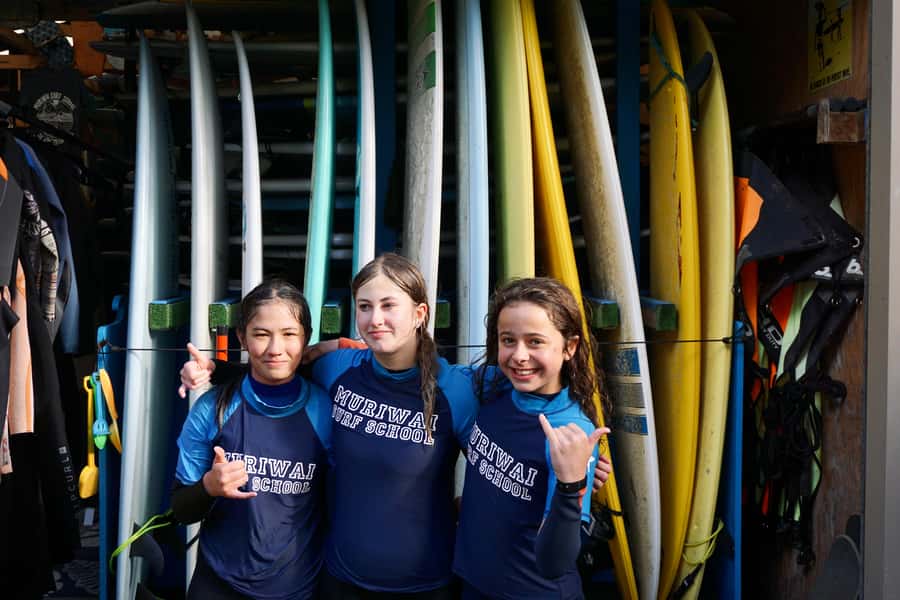
This activity is best for beginners who can swim and want a clear introduction to surfing. You do not need to own equipment or arrive with technical knowledge. The lesson is designed to take you through the basics from the start.
It also suits people who want a social class rather than a private instructor. A group of up to 10 can make the session feel less intense, and the shared learning process may help you relax when your first attempts are clumsy.
The lesson is not suitable for children under nine. It is also not suitable for non-swimmers, an important limit because the water portion is central to the experience.
If you already surf regularly, you may find the basic focus too gentle. The session is called an introduction, so it is aimed at learning or improving the foundations rather than working on advanced turns, speed, or specialized techniques.
You should also be comfortable with the possibility that progress varies. One person may catch a long ride, while another is still practicing the stand. The instructor can give support, but no lesson can promise that every participant will surf equally well on the first attempt.
The instructors and the feel of the class
The instructor is a qualified, experienced surf teacher, and the class is conducted in English. The teaching approach described here is hands-on, with the instructor helping you choose waves, correcting your form, and offering support in the water.
Jacob has received particular praise for being helpful, kind, and patient. That is a strong match for a first surf lesson, since many beginners need the same instruction repeated in slightly different ways before it makes sense.
You can expect an encouraging atmosphere rather than a stern technical clinic. The instructor is there to guide you and celebrate progress, including the long ride back to the beach, but you will still need to make the attempts yourself.
A small class does not guarantee that you will get constant personal attention. Ten people is a manageable maximum, but it is still a group. If you need an instructor focused only on your technique, ask about private options separately, since this activity is specifically a group lesson.
Practical planning for your Auckland day
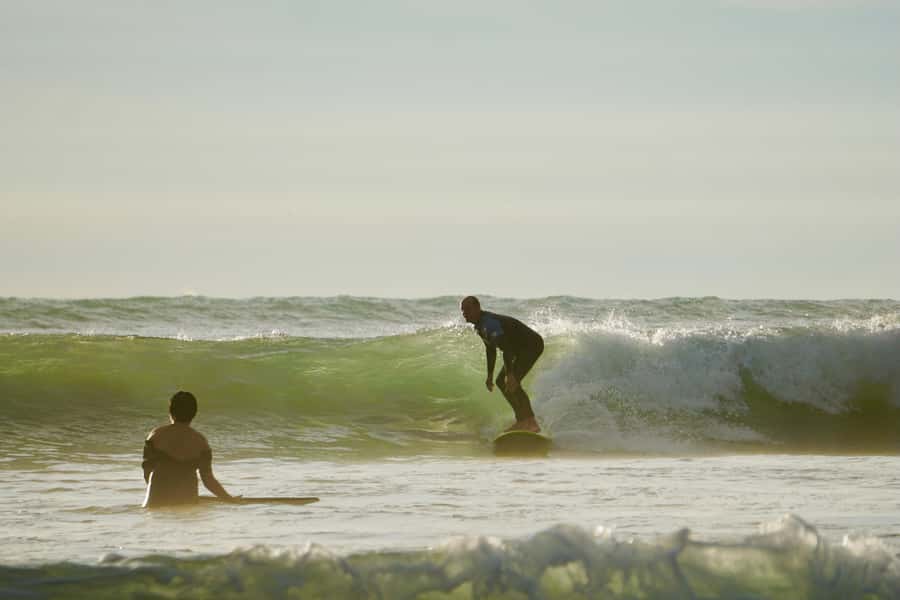
Muriwai works best as part of a half-day plan, since the drive from Auckland City takes about 40 minutes each way and the lesson itself lasts two hours. Leave enough time for the drive, early arrival, changing, and the return journey.
You should bring water and sunscreen even if the day feels cool. The west coast can make you notice the sun less than you would in a sheltered setting, and time outside before and after the lesson adds up.
Food and drinks are not included. Plan those separately, especially if the lesson falls near lunchtime. The supplied information does not specify food service at the activity location, so do not rely on the lesson price to cover refreshments.
The provider offers free cancellation up to 24 hours before the activity for a full refund, and you can reserve now and pay later. Those terms help if your Auckland schedule is still shifting, though you should still check the available start times before committing.
Is Muriwai Surf School worth booking?
Book this lesson if you want an affordable, well-supported first step into surfing and can get yourself to Muriwai. The included board and wetsuit keep the setup simple, while the small group and water-based coaching give you a real chance to practice rather than just watch.
I would especially recommend it to a first-time surfer who values patient instruction. Jacob’s strong reputation for clear help with beginners is encouraging, and the class structure gives you a sensible progression from equipment to safety to wave attempts.
Think twice if you cannot swim, are under nine, need transportation included, or want advanced coaching. For everyone else, the $41 price is fair for two hours of instruction and equipment, with the honest understanding that surfing takes practice beyond one lesson.
FAQ
How long is the Muriwai Surf School lesson?
The lesson lasts two hours. It includes equipment instruction, standing technique, water safety, and guided practice catching waves.
Is a surfboard included?
Yes. A surfboard and wetsuit are included in the activity price.
Do I need to bring my own wetsuit?
No. The surf school provides the wetsuit. You should bring swimwear, a towel, sunscreen, and water.
Is transportation from Auckland City included?
No. You must arrange your own transportation to and from Muriwai Beach, which is about 40 minutes from Auckland City.
Can non-swimmers join the lesson?
No. The activity is not suitable for non-swimmers.
What happens if I need to cancel?
You can cancel up to 24 hours before the lesson for a full refund. The activity also allows you to reserve your place and pay later.
Just added around New Zealand
- Beginner Surf Lesson at Te Arai Beach★ 5.0 · 6 reviews
- Private 2 Hour Surf Lesson★ 5.0 · 5 reviews
- Kinloch: Lake Taupo Catamaran Cruise with Paddleboarding★ 5.0 · 4 reviews
- Raglan: Private Surf lesson 2:1★ 5.0 · 3 reviews
- Raglan: 2 Day Surf Lesson Package★ 4.8 · 6 reviews
- Raglan: Private 1:1 Surf Lesson★ 5.0 · 2 reviews
- Queenstown: White Water Surfing Along the Kawarau River★ 4.6 · 30 reviews
- Raglan: 2 Day Surf Lesson & Rental Package★ 4.6 · 5 reviews
New Zealand Surf Trips, compared.
Day Cruise & Island Tour – Snorkel/Wildlife/Paddleboard/Islands
Read our review →

Queenstown: White Water Surfing Along the Kawarau River
Read our review →
Queenstown: Kayaking or SUP Experience on Moke Lake
Read our review →
Browse the lists this tour appears in