
Review · AUSTRALIA
Learn to Surf at Anglesea on the Great Ocean Road
Anglesea gives you a friendly first taste of surfing without asking you to commit to a full day. You’ll learn at a famous Great Ocean Road beach, start in waist-deep water, and use a soft board designed for beginners. The shallow water and gentle waves make the first lesson less daunting. I also like the small maximum group of eight, which gives the instructor room to help people one by one.
The other big plus is the tidy setup: wetsuit, board, instruction, beach time, hot shower, and changing facilities are all part of the two-hour experience. The main drawback is the fixed 10:00 am start and the short lesson length. You can get your first taste of surfing, but you should not expect to master the sport in one morning.
Key points
- Waist-deep starting water: Learn basic safety and catch early waves without heading straight into deep water.
- Soft beginner boards: The boards are made for learning and are included with the wetsuit.
- Small class size: The group is capped at eight people, allowing for personal help in the water.
- Great Ocean Road setting: Anglesea is one of Australia’s best-known surfing destinations.
- Simple two-hour format: Change, learn, surf, shower, and change back at the same meeting point.
- Strong booking record: The experience holds a 4.9 rating from 107 reviews, with 99 percent recommending it.
Why Anglesea is a smart place to learn
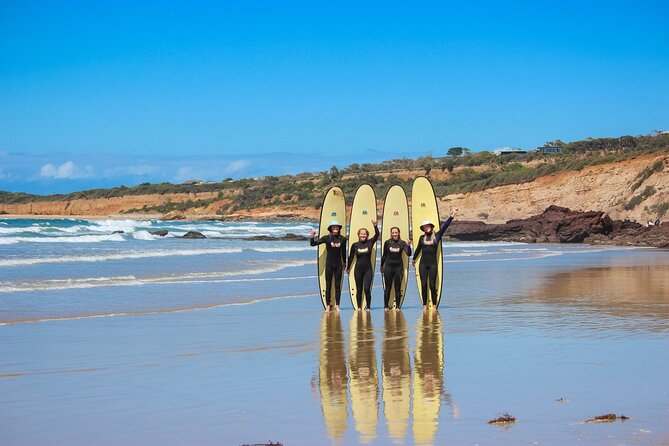
Surfing looks simple from the beach. You lie on a board, wait for a wave, then pop up. In practice, timing, balance, water safety, and board control all arrive at once. A first lesson works best when the setting removes some of that pressure, and Anglesea does that with shallow water and beginner-friendly waves.
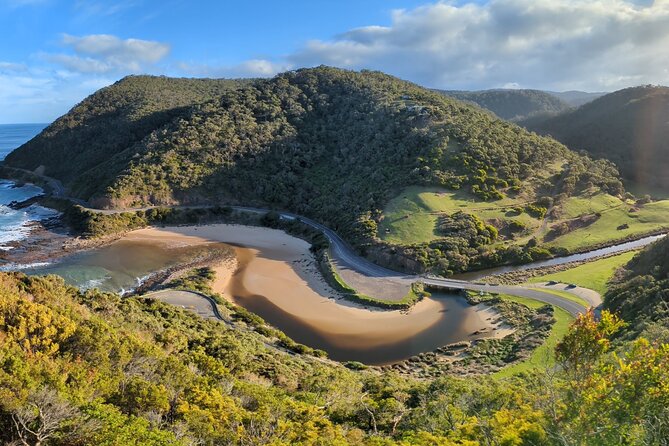
The class takes place on the Great Ocean Road, one of Australia’s best-known coastal routes. That makes this a useful add-on to a road trip, especially if you want more than lookouts and beach photographs. You get a proper activity in the middle of the day, then can continue along the coast afterward.
I like that the lesson does not pretend you need prior skills. It is suitable for complete beginners and for people who have tried surfing before but never learned the basic technique. You are not expected to arrive knowing how to paddle, position your feet, or read a wave.
The water depth matters most during the early part of the class. Starting in waist-deep water lets you focus on the feel of the board and the push of the wave without tackling a demanding surf zone right away. The conditions will still vary on the day, of course, but the class is built around a gentle introduction rather than an advanced session.
More Surf Lessons in Australia
- Bondi Beach: 2-Hour Surf Lesson Experience for Any Level
★ 4.9 · 935 reviews - Byron Bay: 2-Hour Small Group Surf Lesson
★ 4.8 · 657 reviews - Learn to Surf at Noosa on the Sunshine Coast
★ 5.0 · 277 reviews
Arriving at 143B Great Ocean Road
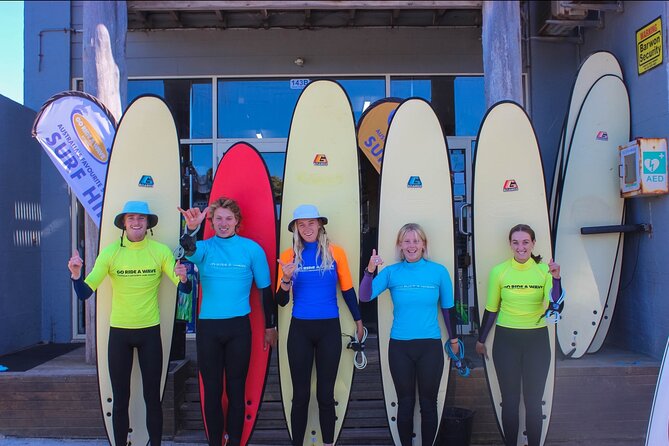
Your meeting point is Go Ride A Wave at 143B Great Ocean Road, Anglesea VIC 3230. The activity begins at 10:00 am and ends back at this same location. It is near public transportation, so you do not need to arrange hotel pickup simply to reach the lesson.
That fixed start time is worth planning around. You will want to arrive with enough time to find the shop and get ready, though the supplied details do not state a separate check-in time. Since the lesson includes changing into a wetsuit and collecting a board, do not treat 10:00 am as a casual departure time.
The activity uses a mobile ticket, which keeps the booking simple. Confirmation is provided at booking, so have the ticket available on your phone when you arrive.
There is no hotel pickup or drop-off. If you are visiting Anglesea as part of a Great Ocean Road drive, this is easiest with your own transport or a planned public transport connection. Food and drinks are also not included, so arrange those separately before or after the lesson.
Getting fitted for a wetsuit and soft board
The lesson begins at the shop, where you change into a wetsuit and collect your board. The equipment is included in the price, which removes two common obstacles for first-time surfers: finding the right board and working out what to wear in the water.
The use of soft beginner surf boards is important. A soft board is a more forgiving piece of equipment for someone still learning how to lie down, balance, and stand. It also suits a class where several people are working on the same basic movements at once.
The wetsuit helps you stay in the water during the practical part of the lesson. You do not need to arrive with specialist surf equipment. The supplied details do not specify wetsuit thickness, board length, or whether other personal items are supplied, so bring only what you know you will need and follow the operator’s instructions.
Once everyone is ready, you walk with the instructor from the shop to the beach. That short transition keeps the lesson focused. You are not sent off alone to work out where to go or how to handle the board.
The first beach briefing and safety lesson
Before you start catching waves, the instructor covers basic safety and surfing technique on the beach. This may feel less exciting than getting straight into the water, but it is one of the most useful parts of the class. You learn what to do before the board begins moving, rather than trying to think through every step while being pushed by a wave.
The practical goal is clear: control the board, understand the movement of the water, and work toward standing up. The instructor is a qualified professional, and the maximum group size is eight. That is a useful balance. You get the energy of a group lesson without being placed in a large crowd where individual help could be limited.
The class is designed for all skill levels. If you are nervous, you can start with the basic instructions and watch the movement before trying it. If you have surfed once or twice, you may spend less time on the first steps and get more chances to correct your technique.
I would treat the briefing as essential rather than something to rush. Your first successful wave is more likely to come from a calm setup than from charging into the water before you understand the basics.
Same coast, a different way into the water:
- Magnetic Island Discovery Tour with Snorkeling & Paddle Boarding
★ 5.0 · 1,372 reviews - Noosa Heads: 2 Hour Surf Experience on the Sunshine Coast
★ 4.9 · 644 reviews - Byron Stand Up Paddle Nature Tour
★ 5.0 · 384 reviews - Behind The Bay – Explore Like a Local: Waterfalls/paddleboarding
★ 5.0 · 275 reviews
Waist-deep water and your first waves
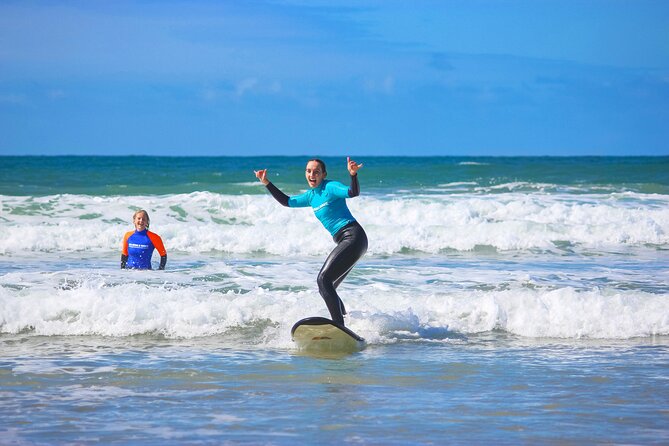
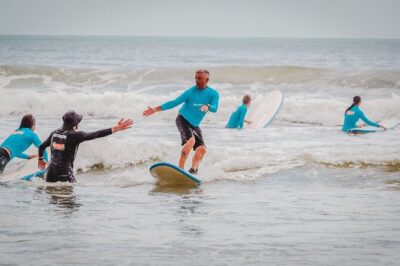
After the beach instruction, you enter the water with the instructor and begin in waist-deep water. This is where the lesson becomes physical. You position the soft board, wait for a suitable wave, and learn how the water moves you toward shore.
The first aim is not a perfect surfing pose. It is to catch a few waves and understand the board beneath you. That early success can make a big difference. Instead of seeing the board as an awkward floating platform, you begin to feel how your weight affects its direction and balance.
The shallow starting point gives you a practical safety margin. You are still learning in real surf, but you are not being asked to paddle into demanding water on your own. The instructor is there to guide the group and help with timing.
This is also the part where expectations matter. The waves are described as gentle, which is ideal for learning but may not satisfy an experienced surfer looking for speed or challenge. I would choose this class for a first lesson, a family-friendly activity, or a relaxed introduction, not for advanced coaching.
Returning to the beach to learn the pop-up
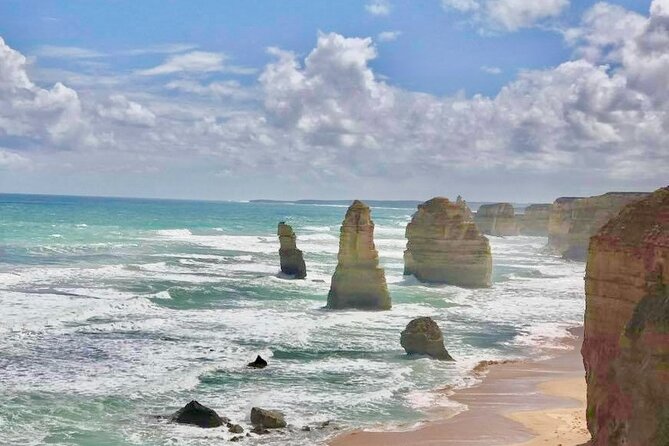
After the first few waves, you return to the beach for more detailed instruction on how to stand up. This break in the water gives you a chance to make sense of the movement before trying it again.
Standing up is often the moment beginners care about most, but it is only one step in the process. You need to move quickly enough to catch the wave while placing your feet in a stable position. The beach practice helps you repeat the sequence without the board sliding away beneath you.
I like the order of the lesson. You first get a feel for the water, then receive more detail about standing, then return to the surf with that advice fresh in your mind. It avoids filling the first minutes with too much technical information.
Do not judge the session only by how many times you stand. A first lesson can be worthwhile if you learn how to position yourself, catch a small wave, and understand what to change next time. The class gives you a real chance to stand up, but no lesson can guarantee that every participant will do so.
The main water session with instructor help
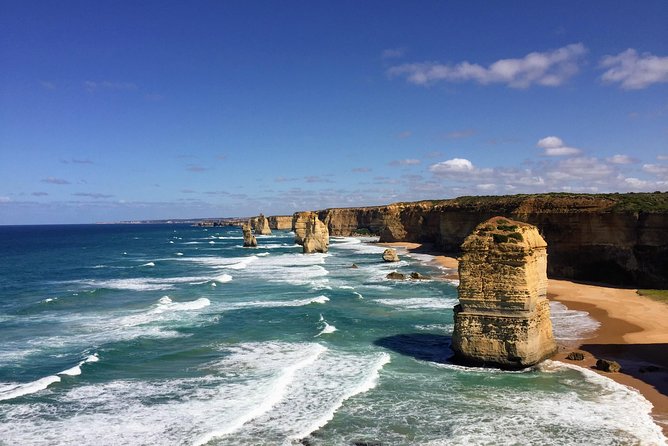
The rest of the time is spent in the water, with the instructor helping everyone work toward standing on the board. Because the group is limited to eight, the instructor can focus on individual attempts rather than giving only general advice from the beach.
This is where the value of the class becomes clear. You could rent a board and try to copy what you see, but you would miss the safety briefing, timing advice, and quick corrections. A qualified instructor can tell you when to try, help you position the board, and show you what to adjust after an unsuccessful attempt.
The class also has a pleasant rhythm. You try, learn, reset, and try again. Some people may stand quickly, while others need more attempts. The short format keeps the session from becoming an exhausting all-day commitment, though it also means there is limited time for fine-tuning.
The experience has received a 4.9 rating from 107 reviews, and 99 percent of people recommend it. Those figures fit the nature of the lesson: it is a straightforward activity with a clear goal, smooth booking, and equipment included. The praise centers on how much fun the experience is and how easily the process runs from start to finish.
Showering and changing after the lesson
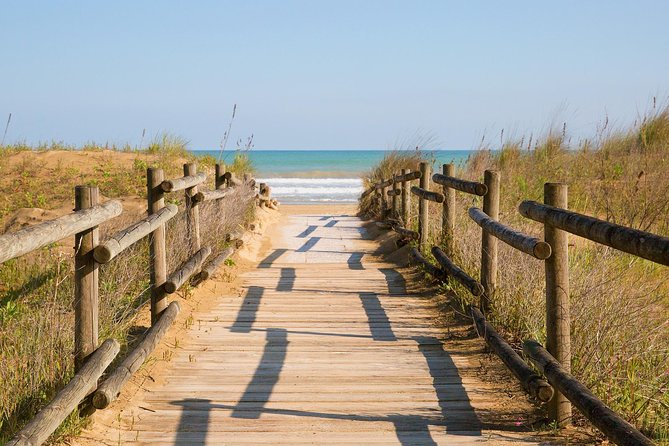
When the water session ends, you return to the shop to shower and change. That small detail makes the activity much easier to fit into a road trip. You are not left trying to dry off beside the car or continue your day in a cold, wet wetsuit.
The experience ends at the meeting point, so you can collect your belongings and move on without arranging a separate return journey. Food and drinks are not included, so you will need to make your own plans for breakfast, lunch, or a post-surf snack.
The supplied information does not list a full packing guide, so keep your preparation simple. Bring your mobile ticket and anything you normally need after a water activity. The operator supplies the key surf equipment, including the soft board and wetsuit.
What the two-hour format is really worth
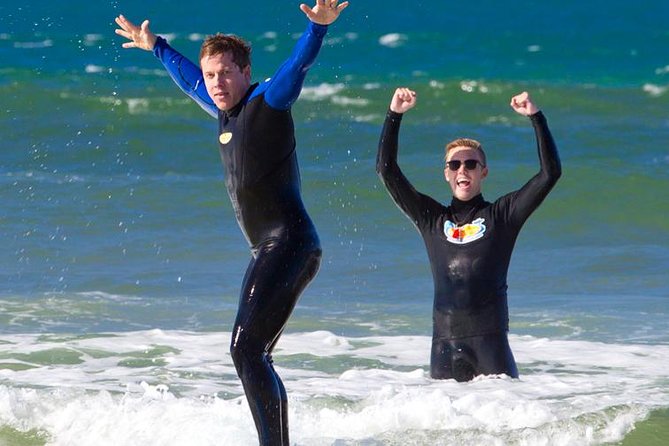
The price is $60.25 per person. For that fee, you receive a two-hour class, a qualified instructor, a soft beginner board, and a wetsuit. You also get access to the shop for changing and showering.
That is fair value if you are starting from zero. Buying or renting the equipment separately would add cost and leave you without structured instruction. The small group size also matters, since your payment supports a guided session rather than simple board hire.
The price is less appealing if you already surf confidently. You are paying for beginner instruction and gentle practice, not an advanced surf clinic or a long water session. Experienced surfers may prefer to arrange their own equipment and spend more time riding independently.
The average booking lead time is 14 days. That suggests you should reserve ahead if the lesson is central to your Great Ocean Road plans, particularly if you have only one possible morning in Anglesea.
Who will get the most from this class
I would recommend this experience to first-time surfers, couples looking for an active stop, families with participants who can handle the activity, and road trippers who want a memorable break from driving. It also suits anyone who has always wanted to try surfing but has not wanted to buy equipment or face the water alone.
The class is suitable for all skill levels, including complete beginners. Most people can participate, according to the supplied activity information, but surfing still requires physical effort and comfort in the water. The details do not give a minimum age, swimming requirement, or specific accessibility information, so check those points directly if they affect your plans.
This is not the best pick if you need hotel transportation, want a private lesson, or hope to surf for an entire day. It is a compact introduction with a clear beginner focus.
Booking, weather, and cancellation details
The experience offers free cancellation if you cancel at least 24 hours before the 10:00 am start time. Cancellations made less than 24 hours before the start are not refunded, and changes within that period are not accepted. The cut-off follows local time.
The supplied information does not explain how weather or surf conditions affect the lesson. If the forecast matters to your plans, contact Go Ride A Wave directly before booking or close to the date.
The mobile ticket and instant confirmation make the basic booking process easy. Still, save the meeting address, allow time to reach the shop, and remember that there is no hotel pickup.
Should you book the Anglesea surf lesson?
Book it if you want a well-organized first surfing experience on the Great Ocean Road, especially if you value included equipment and direct help in the water. The shallow starting area, soft boards, small group limit, and shop facilities make the two-hour format practical rather than intimidating.
Skip it if you are already an experienced surfer, need transport from your hotel, or want a longer and more demanding session. For everyone else, $60.25 is a sensible price for a guided introduction that gives you a real chance to catch a wave and perhaps stand up before lunch.
FAQ
Where does the surf lesson start?
The lesson starts at Go Ride A Wave, 143B Great Ocean Road, Anglesea VIC 3230, Australia.
What time does the experience begin?
The activity starts at 10:00 am local time.
How long does the surf class last?
The class lasts approximately two hours.
Is the activity suitable for complete beginners?
Yes. The lesson is suitable for all skill levels, including people who have never surfed before.
Is surf equipment included?
Yes. Soft beginner surf boards and wetsuits are included.
Is an instructor included?
Yes. A qualified surf instructor provides the lesson, and a professional guide is included.
How large is the group?
The activity has a maximum of eight participants.
Where does the experience end?
The lesson ends back at the original meeting point.
Is hotel pickup included?
No. Hotel pickup and drop-off are not included.
Can I cancel for a full refund?
Yes, if you cancel at least 24 hours before the experience start time. Cancellations made less than 24 hours before the start are not refunded.
Just added around Australia
- Rainbow Beach: Surf Lesson Safari & Beach 4WD Double Island Point★ 5.0 · 12 reviews
- Stand Up Paddle Board Hire★ 4.5 · 9 reviews
- Stand Up Paddle Boarding – 2 Person Lesson – 1 Hour★ 5.0 · 12 reviews
- Noosa: Epic Stand Up Paddle Wildlife & Beach 4X4 Adventure★ 5.0 · 13 reviews
- Noosa Stand Up Paddle Group Lesson★ 5.0 · 19 reviews
- Golden Beach 1-Hour Stand-Up Paddleboard Hire on the Sunshine Coast★ 5.0 · 41 reviews
- Epic Surf Safari Beach 4WD Day Tour -Noosa to Double Island Point★ 5.0 · 34 reviews
- Private Surf Coaching Session in New South Wales★ 5.0 · 3 reviews
Australia Surf Trips, compared.
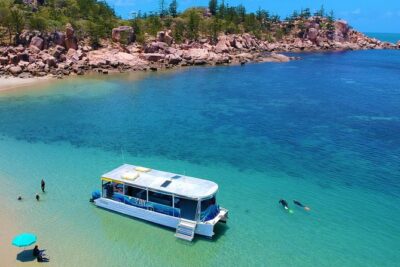
Magnetic Island Discovery Tour with Snorkeling & Paddle Boarding
Read our review →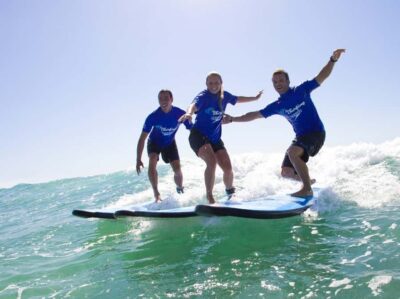
Bondi Beach: 2-Hour Surf Lesson Experience for Any Level
Read our review →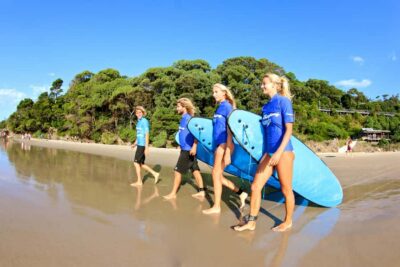
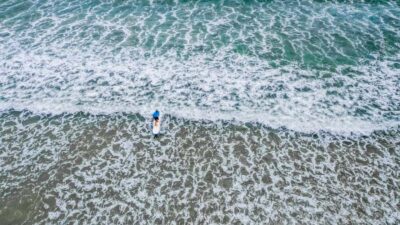
Noosa Heads: 2 Hour Surf Experience on the Sunshine Coast
Read our review →

Behind The Bay – Explore Like a Local: Waterfalls/paddleboarding
Read our review →
Browse the lists this tour appears in