
Review · NEW ZEALAND
Queenstown: White Water Surfing Along the Kawarau River
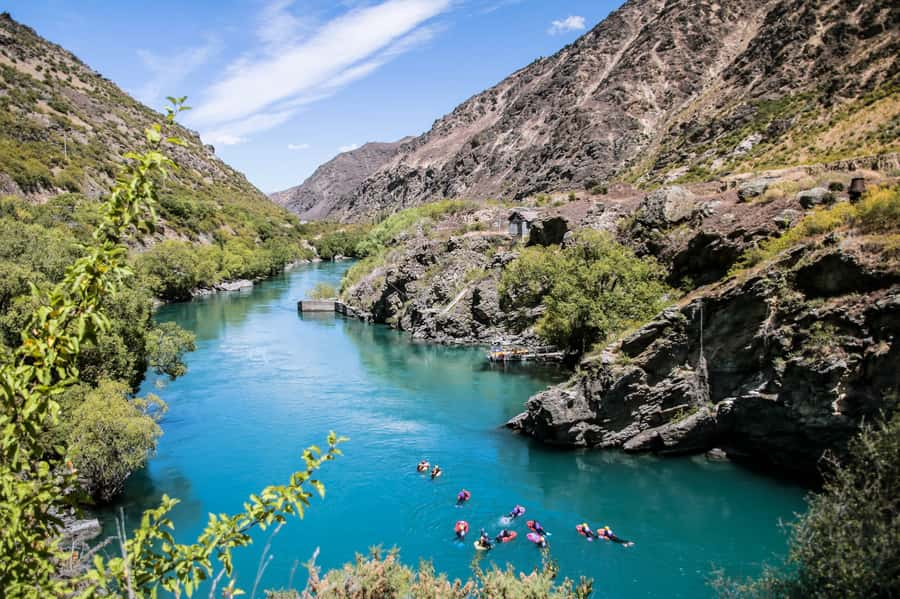
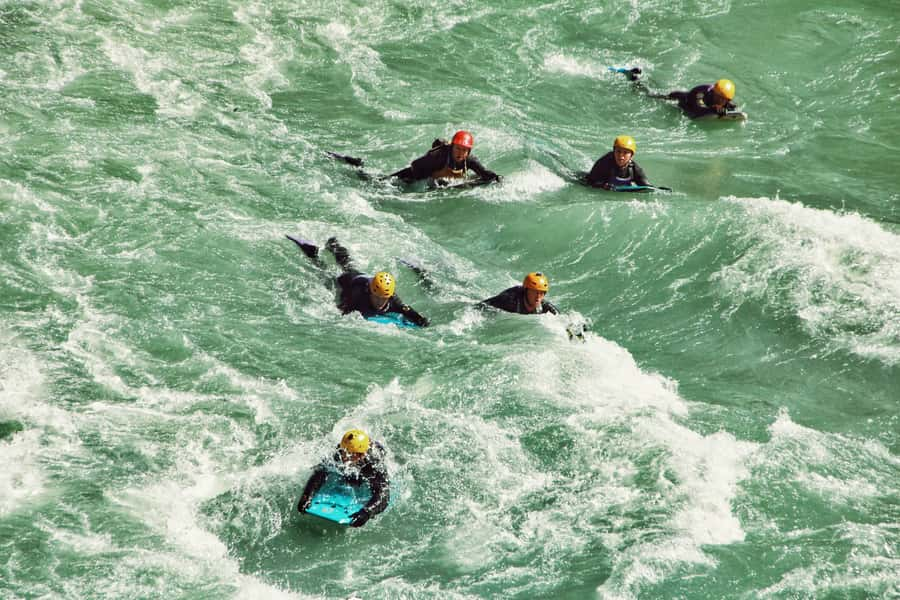
The unusual part comes first: you are not sitting in a raft. You are lying on a bodyboard, using your arms and fins to steer through up to 12km of the Kawarau River. You’ll face grade 2 to 3 rapids, standing waves, whirlpools, and the occasional chance to jump from a riverside cliff.
I like the small group of no more than 10 people, which keeps the instruction focused and makes the river feel less like a conveyor belt. I also like the choice of boards, letting you pick a level of adventure that matches your nerve. The main caution is simple: this is a demanding water activity, not a gentle float, and basic swimming ability may not be enough for everyone.
Key points at a glance
- 12km of bodyboarding: You actively steer and paddle rather than simply sit in a raft.
- Grade 2 to 3 rapids: Expect real white water, plus standing waves, whirlpools, and underwater currents.
- About 1 to 1.5 hours in the river: The full outing lasts 270 minutes, with transport, preparation, instruction, and changing time around the river section.
- A small group of up to 10: You get a more personal setup than on a large commercial rafting trip.
- Full equipment included: A 5mm wetsuit, helmet, wet shoes, life jacket, and bodyboard are provided.
- Transport from central Queenstown: Meet at 5 Duke Street, with a self-drive option to Roaring Meg Power Station.
Why the Kawarau River feels different on a bodyboard
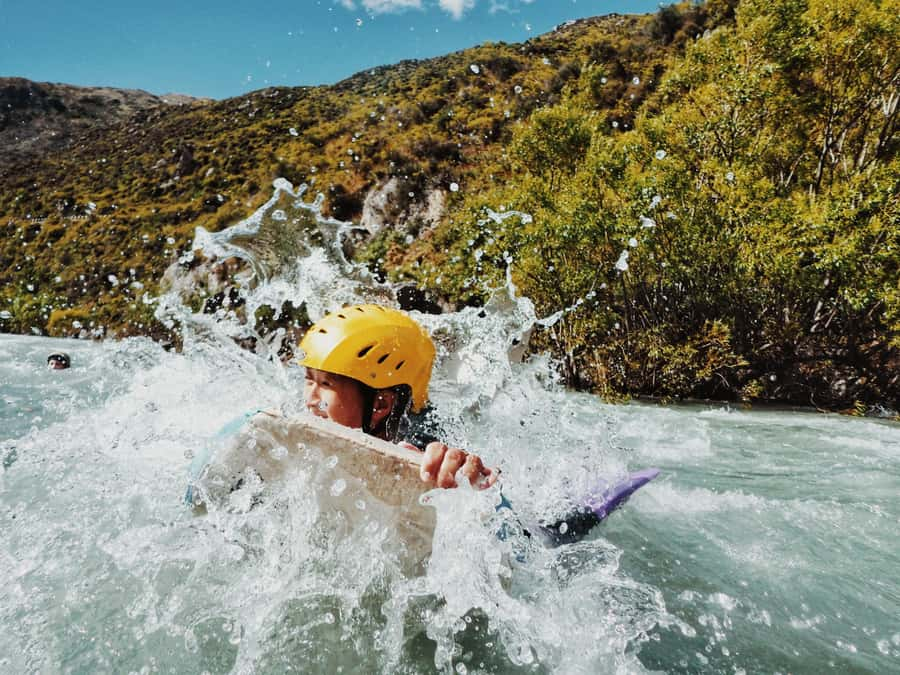
The Kawarau is one of Queenstown’s classic adventure rivers, but riverboarding gives you a more direct connection with the water. In a raft, the group shares the boat’s movement. Here, you are close to the current, low in the water, and making small decisions with your arms, legs, and board.
That makes the trip feel active from the start. The boards are light and maneuverable, so you can angle into a rapid, work across a current, or try to hold your position on a wave. You are not just being carried downstream.
The river section covers up to 12km, though the exact run can depend on conditions. At its most exciting, the water pushes you through grade 2 to 3 rapids. These grades are serious enough to create nerves and excitement, but the activity is not presented as an expert-only expedition. The guides match the experience to the group and can offer different boards based on how much intensity you want.
Still, do not mistake that flexibility for a soft option. The activity description itself warns that river surfing suits people looking for the full white water experience. You need to be comfortable in moving water and able to follow instructions while wearing a wetsuit, helmet, life jacket, and fins.
More Mangrove and River Paddles in New Zealand:
- Paddleboarding and/or kayaking tour at sunrise in the lagoon of Bacalar
★ 5.0 · 309 reviews - Sunrise on Paddleboard with breakfast in the lagoon of 7 colors
★ 5.0 · 255 reviews - Haleiwa River Paddle Board Rental with Blue Planet Adventure Co.
★ 5.0 · 215 reviews
Meeting the guides at 5 Duke Street
The standard pickup point is the loading zone at 5 Duke Street in Queenstown, at the back of the bakery and opposite the Sofitel. This is a street meeting point, so arrive ready at the departure time. The vehicle leaves on schedule rather than waiting around for late arrivals.
The trip lasts 270 minutes in total. That time includes the ride out, getting fitted with equipment, safety preparation, the river session, changing, and the return journey. Only about 1 to 1.5 hours is spent in the water, so you should not expect four and a half hours of continuous river action.
If you are not staying in central Queenstown, you can drive yourself to the base at Roaring Meg Power Station on Kawarau Gorge Road. The drive takes about 45 minutes after the Queenstown departure time. You are asked to wait in the car park for the group.
That self-drive arrangement is useful if you have your own car or are staying outside town, but it requires careful timing. You need to reach the power station after the vehicle leaves Queenstown and wait there. If you choose the central pickup, the meeting point is easier, but parking and finding the loading zone are your responsibility.
Getting suited up for the river
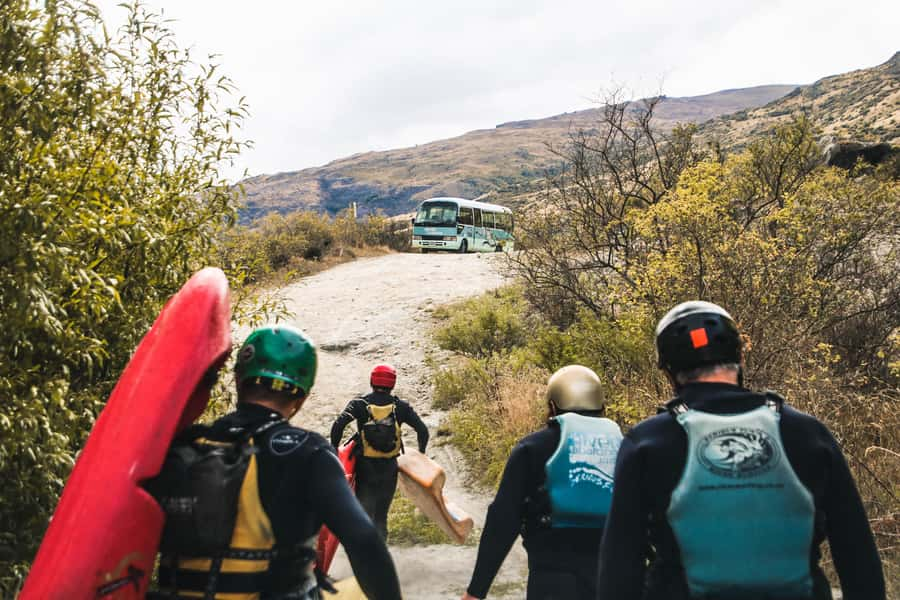
Bring swimwear and a towel. The operator supplies the main equipment: a full steam 5mm wetsuit, wet shoes, helmet, life jacket, and bodyboard.
The thick wetsuit matters. The Kawarau is cold enough that staying comfortable in the water depends on proper thermal protection. You will also wear a helmet and life jacket, which help with the practical risks of moving through rapids and rocky river sections.
Fins are part of the setup, although they are not highlighted in the main equipment list. One participant found this surprising and felt the activity required more leg strength than expected. That is useful advice for anyone booking based on ordinary swimming ability. You should be ready to kick hard, keep your legs active, and use your body to control the board.
The instruction period is important. You will need to learn how to position the board, respond to the current, and handle yourself in white water before the main run. The amount of information can feel like a lot at once, especially if you are nervous. Pay close attention, ask for clarification, and tell the guide if you are struggling with the equipment or the pace.
Riding rapids, waves, and whirlpools
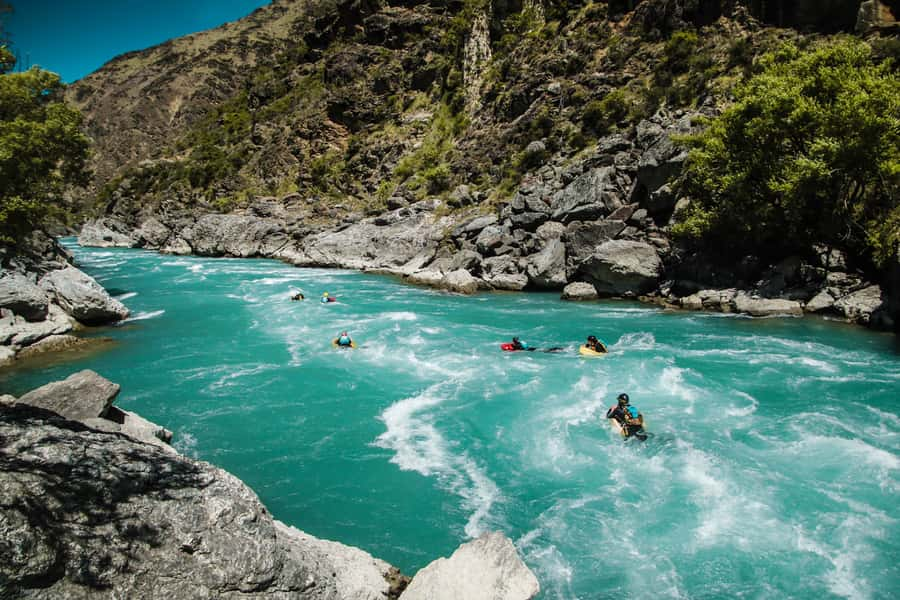
Once you enter the river, the activity becomes a sequence of short challenges rather than one long blast of white water. You may ride through grade 2 to 3 rapids, use calmer sections to look around, and stop for specific features along the way.
The bodyboard gives you a low viewpoint. You are close enough to the surface to feel every push and change in direction. That is the appeal, but it also means you have less of the dry, raised view you get from a raft.
The most distinctive parts are the river-surfing exercises. You can try to hold on a standing wave, ride a whirlpool, or catch an underwater current if you are brave and capable. These are not passive sights along the route. You take part in them, and success depends on your timing, balance, and willingness to keep trying.
You may also get a chance to jump from cliffs along the river. The supplied information does not promise a jump on every trip, so treat it as an optional feature rather than the reason to book. The gentler parts of the Kawarau offer time to enjoy the surrounding scenery and recover before the next active section.
The river experience has a useful rhythm: effort, excitement, calmer water, then another challenge. That variety helps keep the outing from becoming a nonstop test of stamina.
A few more sessions around New Zealand worth a look
- Day Cruise & Island Tour – Snorkel/Wildlife/Paddleboard/Islands
★ 5.0 · 121 reviews - 2 Hour Surf Lesson – Te Arai Beach
★ 5.0 · 119 reviews - Raglan: Group Surf Lesson
★ 5.0 · 79 reviews - Auckland: Group Surfing Lesson with Muriwai Surf School
★ 4.9 · 34 reviews
How hard is this white water experience?
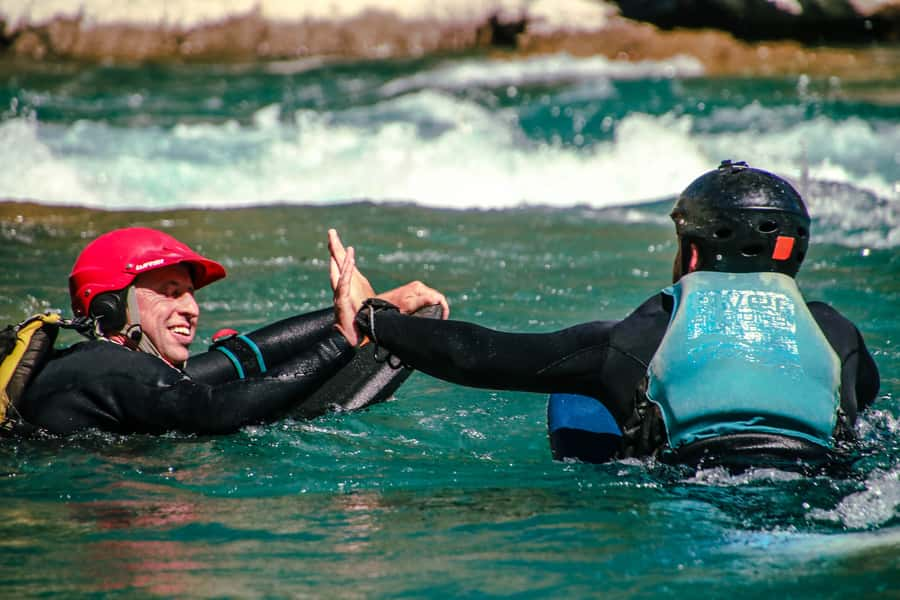
This is best for a confident swimmer who wants to be physically involved. You do not need to be an expert river athlete, but you should be comfortable following instructions in cold, moving water and using your legs to help control the board.
The activity is not suitable for non-swimmers, children under 8, wheelchair users, or people with mobility impairments. Unaccompanied minors are not allowed. These limits are practical, not fussy. A bodyboard leaves you more exposed to the current than a raft does, and you need enough control to respond quickly.
The trip can push you out of your comfort zone. That is part of the appeal for many people, but it is also where expectations matter most. If your idea of a water activity is floating gently while admiring the view, choose something calmer. If you want to work with the current and feel the river at close range, this is a more fitting option.
The operator can cancel or alter a trip because of dangerous river conditions, too few participants, or concerns about a participant’s suitability. That is a sensible safety rule for a river activity. It also means your schedule should leave some flexibility if this is one of the main adventures in your Queenstown plans.
The small-group advantage
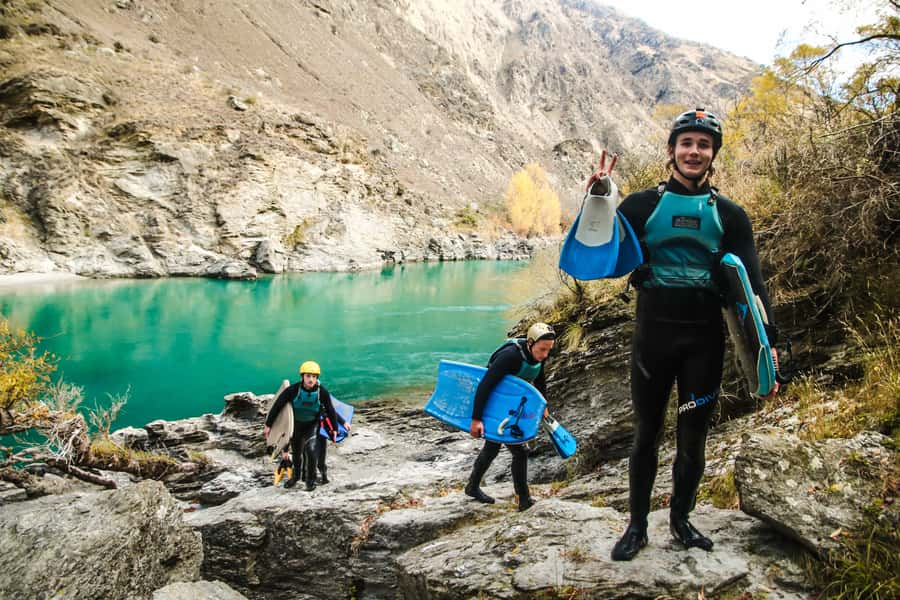
The group limit is 10 people. That number is large enough to create a lively shared experience, but small enough for instructions and attention to remain manageable.
The guides receive strong praise for being fun, supportive, and reassuring. One person named Swifty as part of a crew that made the trip memorable, including for someone repeating the experience after 17 years. Another described the guides as taking good care of the group. Those details point to an important part of the experience: the guide team sets the mood as much as the rapids do.
Good river guides have to do two jobs at once. They need to keep the group safe and make the activity feel playful rather than frightening. That balance matters here because the training and first river section may feel intense if you are new to bodyboarding.
At the same time, one person felt that the instruction delivered too much information at once and did not feel safe during the training. I would take that as a reminder to speak up early. If you do not understand a technique, ask the guide to show it again. If you feel unsure in the practice area, say so before heading into stronger water.
What you get for $164
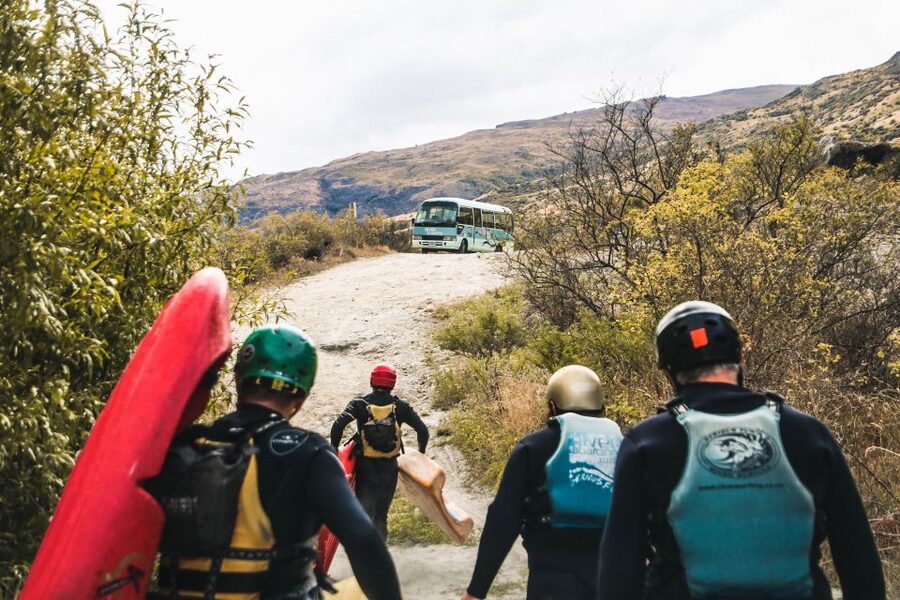
At $164 per person, this is not a cheap way to spend an afternoon. The value depends on what you want from a Queenstown adventure.
The price includes return transportation from central Queenstown, the 5mm wetsuit, wet shoes, helmet, life jacket, bodyboard, light snacks, and refreshments. You are also paying for a small group and guided access to a river activity that requires specialist equipment and trained staff.
I think the price is easier to justify if you want a distinctive, hands-on experience rather than a standard sightseeing outing. Riverboarding is more unusual than ordinary rafting, and the chance to surf waves and whirlpools gives the trip extra variety.
The value is weaker if you are uncertain about swimming, dislike cold water, or mainly want a scenic ride. You may spend a good part of the 270 minutes preparing, changing, and travelling, with 1 to 1.5 hours actually in the river. That is normal for a guided water activity, but it is worth knowing before you compare the cost with other Queenstown options.
Snacks and refreshments are included, though you should still eat sensibly before the trip and bring only what the operator asks for. The listed essentials are swimwear and a towel.
When the river is the right choice for you
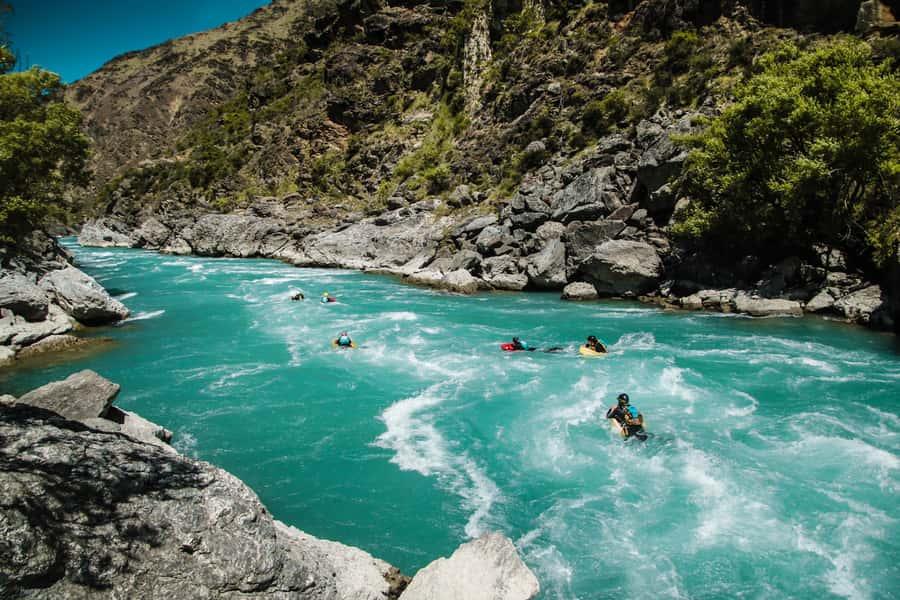
I would choose this experience if you want an active challenge and like the idea of learning a new way to move through white water. It suits people who want more control and contact with the river than a raft provides.
It may also suit repeat visitors to Queenstown. The outing has enough variety to feel different from a standard river float, and the bodyboard format gives you several skills to try, from steering through rapids to holding on a standing wave.
Families should check the age and supervision rules carefully. Children under 8 cannot take part, and unaccompanied minors are not allowed. Even for older children, the key question is not just age. You should consider swimming confidence, comfort with cold water, and willingness to follow instructions under pressure.
I would not book this as a surprise for someone who has only basic swimming skills. One participant expected the activity to be manageable with that level of ability and found the leg work and training much harder than expected. The safer approach is to book for a person who already feels at ease in water and actively wants a challenge.
Timing, cancellations, and sensible planning
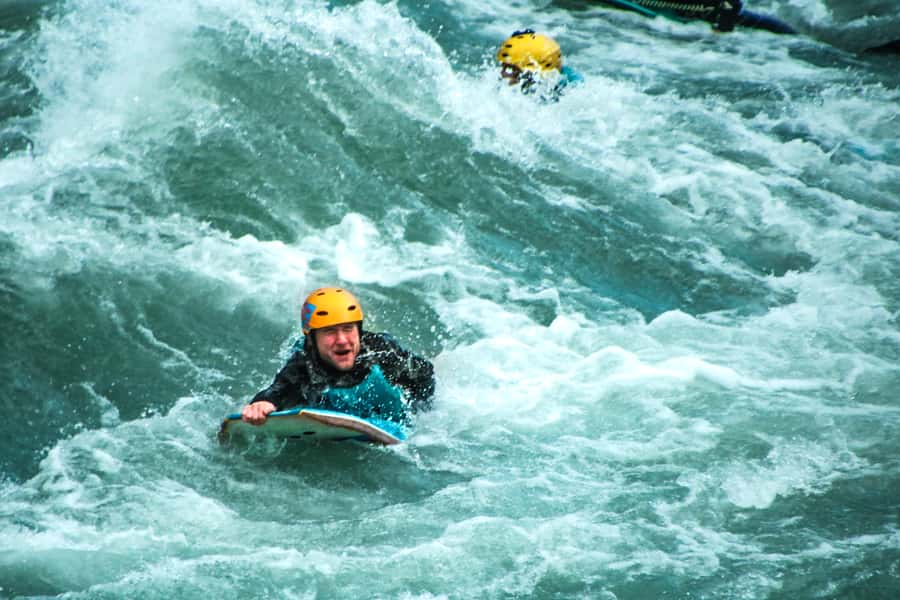
The activity offers reserve-now-and-pay-later booking, which can help if you are still arranging a Queenstown itinerary. Free cancellation terms are presented as allowing cancellation up to 24 hours in advance, while the important information also says a full refund requires cancellation at least 48 hours before departure. Because those terms conflict, confirm the current cutoff directly when booking.
Plan to arrive at the Queenstown meeting point at the stated departure time. If you miss the vehicle, the self-drive alternative is not an instant backup. You would need to drive to Roaring Meg Power Station and wait in the car park, with the drive taking about 45 minutes from the departure time.
Allow extra time after the tour to change and continue your day. You will be wet, tired, and likely ready for a proper meal, even with snacks and refreshments supplied.
The provider may change or cancel the outing because of water conditions, low numbers, or concerns about whether someone is suited to the activity. Avoid placing an important, nonrefundable evening plan too close to the return time.
Should you book the Kawarau riverboarding trip?
Book it if you want a high-energy, close-to-the-water adventure and are happy to work for your fun. The small group, full equipment package, central transport, and lively guide team make the $164 easier to understand. The chance to ride standing waves and whirlpools also gives it a character that ordinary rafting may not provide.
Think twice if you are a weak swimmer, uncomfortable in cold water, or expecting a relaxed scenic float. The riverboarding format demands leg power and attention, and the training can feel intense before you gain confidence.
My practical call is this: choose it for a confident swimmer who wants a memorable Queenstown challenge, and leave it off the list for anyone looking for easy water time. If that sounds like you, this is the kind of unusual adventure that can become the story you keep telling after the holiday.
FAQ
How long does the Queenstown riverboarding experience last?
The total activity lasts 270 minutes. About 1 to 1.5 hours is spent in the river, with the remaining time used for transport, preparation, instruction, and changing.
How far will I bodyboard?
You can bodyboard up to 12km along the Kawarau River.
What rapids will I experience?
The trip includes grade 2 to 3 rapids. You may also try standing waves, whirlpools, and underwater currents.
Is transport from Queenstown included?
Yes. Return transportation from Queenstown is included when you meet at the loading zone at 5 Duke Street, behind the bakery and opposite the Sofitel.
Can I drive myself to the river base?
Yes. If you are not staying downtown, drive to Roaring Meg Power Station on Kawarau Gorge Road. The drive is about 45 minutes after the Queenstown departure time, and you should wait in the car park.
What equipment is provided?
The operator provides a full steam 5mm wetsuit, helmet, wet shoes, life jacket, and bodyboard. Fins may also be used during the activity.
What should I bring?
Bring swimwear and a towel.
Is the activity suitable for non-swimmers or children under 8?
No. The activity is not suitable for non-swimmers or children under 8. Unaccompanied minors are not allowed.
Can I cancel for a full refund?
The booking information gives a full-refund cancellation window of 24 hours, while the important information says cancellation must be at least 48 hours before departure. Confirm the current rule with the provider before booking.
Just added around New Zealand
- Beginner Surf Lesson at Te Arai Beach★ 5.0 · 6 reviews
- Private 2 Hour Surf Lesson★ 5.0 · 5 reviews
- Kinloch: Lake Taupo Catamaran Cruise with Paddleboarding★ 5.0 · 4 reviews
- Raglan: Private Surf lesson 2:1★ 5.0 · 3 reviews
- Raglan: 2 Day Surf Lesson Package★ 4.8 · 6 reviews
- Raglan: Private 1:1 Surf Lesson★ 5.0 · 2 reviews
- Raglan: 2 Day Surf Lesson & Rental Package★ 4.6 · 5 reviews
- Raglan: 3 Day Surf Lesson Package★ 5.0 · 2 reviews
New Zealand Surf Trips, compared.
Day Cruise & Island Tour – Snorkel/Wildlife/Paddleboard/Islands
Read our review →
Auckland: Group Surfing Lesson with Muriwai Surf School
Read our review →
Queenstown: Kayaking or SUP Experience on Moke Lake
Read our review →
Browse the lists this tour appears in